
Firestarter Photos · 30th Anniversary
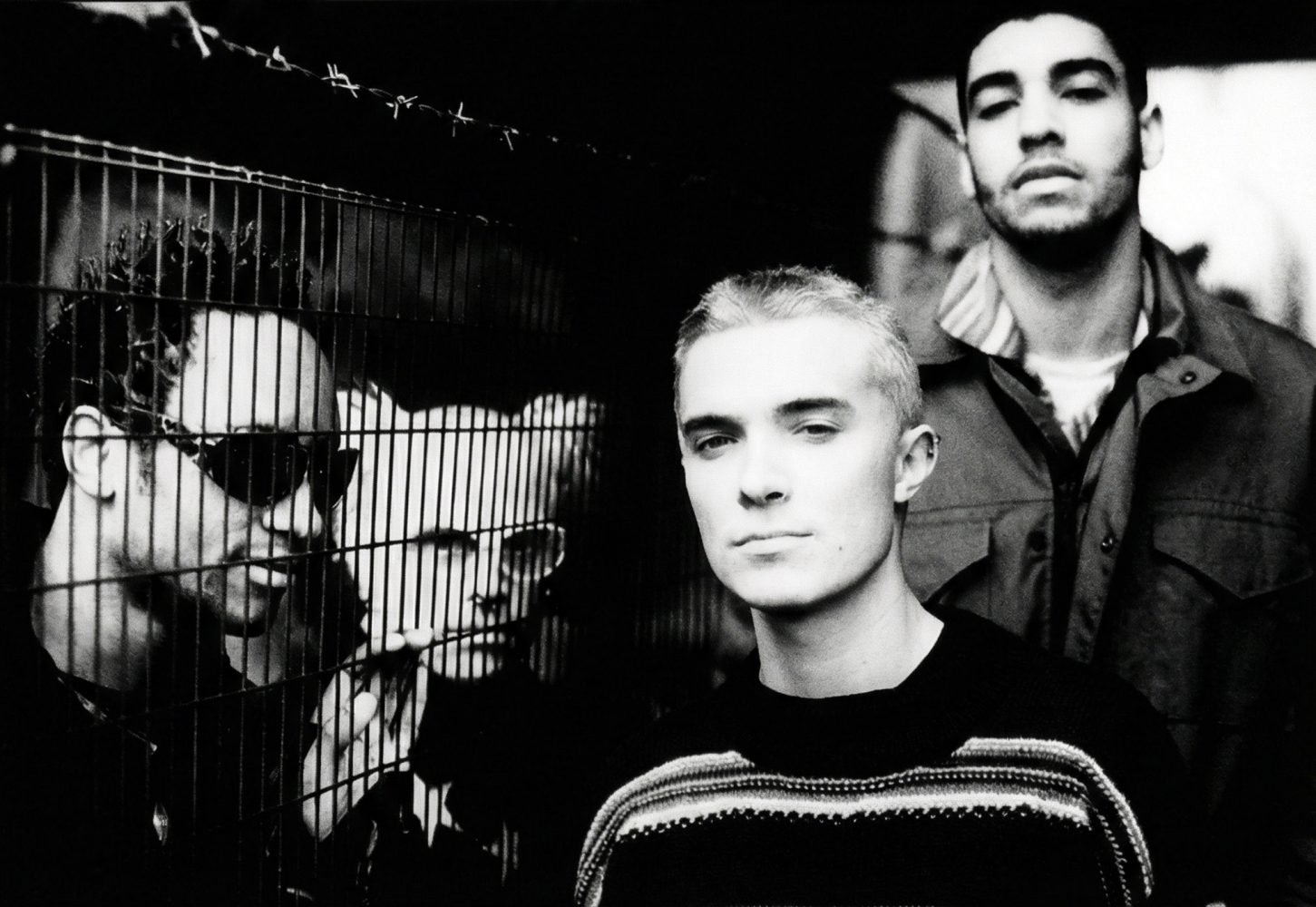
On 15 January 1996, on a freezing misty day in Essex, The Prodigy stepped onto a patch of wasteland for a photoshoot as part of the ‘Firestarter’ campaign. The session produced press images and sleeve photography that would soon become inseparable from one of the most explosive moments in British music history. Shot just a few months before the iconic ‘Firestarter’ video first appeared on TV, the day itself was quiet, playful, and bitterly cold. To mark the 30th anniversary of that moment, we revisit the story of the shoot through the memories and reflections of the photographer himself, Phil Nicholls.
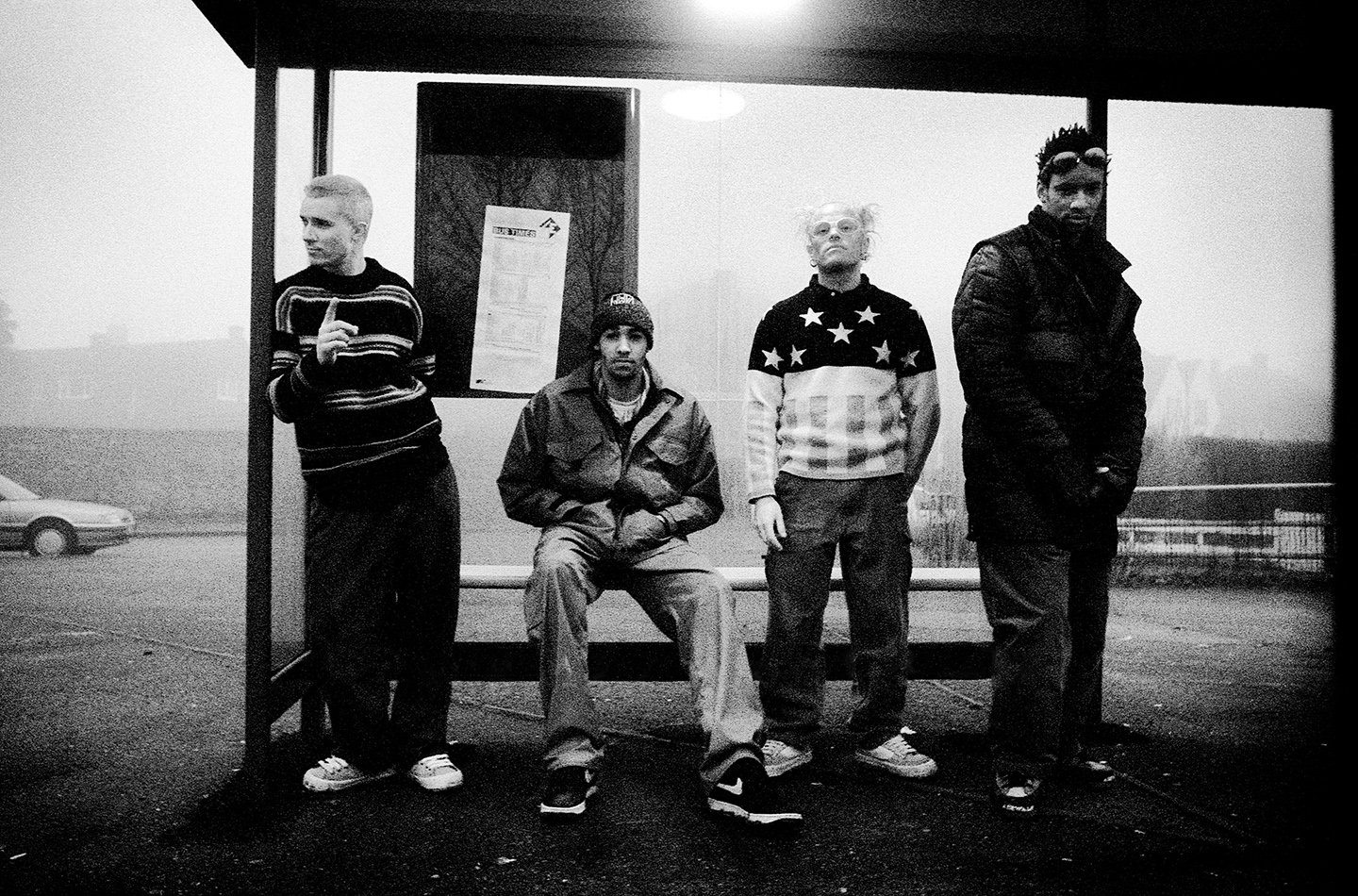
Website: www.philnicholls.co.uk
15 January 1996, Chelmsford, Essex
Keith Flint‘s stars-and-stripes jumper — echoing the American flag — would burn itself into popular culture through Walter Stern’s stark black-and-white ‘Firestarter’ video. That image terrified adults, unsettled children, and turned Keef into a figure many perceived as pure menace, almost an embodiment of evil itself, instantly recognisable across the globe. Released in spring 1996, the video immediately split audiences into two opposing camps: people either adored it or despised it, with no room for indifference.
With the release of ‘The Fat Of The Land’ in July 1997, the hysteria reached its peak. Angry letters flooded concert promoters, radio stations, music magazines, and the band’s own record label, all demanding that the thing which had scared them senseless be stopped. One such letter even found a second life when designer Alex Lloyd Jenkins — then an in-house designer at XL Recordings — repurposed it directly into a promo poster for the newly released album. Waste not, want not.
Alex Jenkins via Instagram: “The Prodigy/XL Recordings advert I designed for Music Week, taken from a letter sent into the record label. Never got any music industry stuff signed or framed, but now [my son] Will is asking what his dad did, and does it’s time to put a few bits on the wall?”
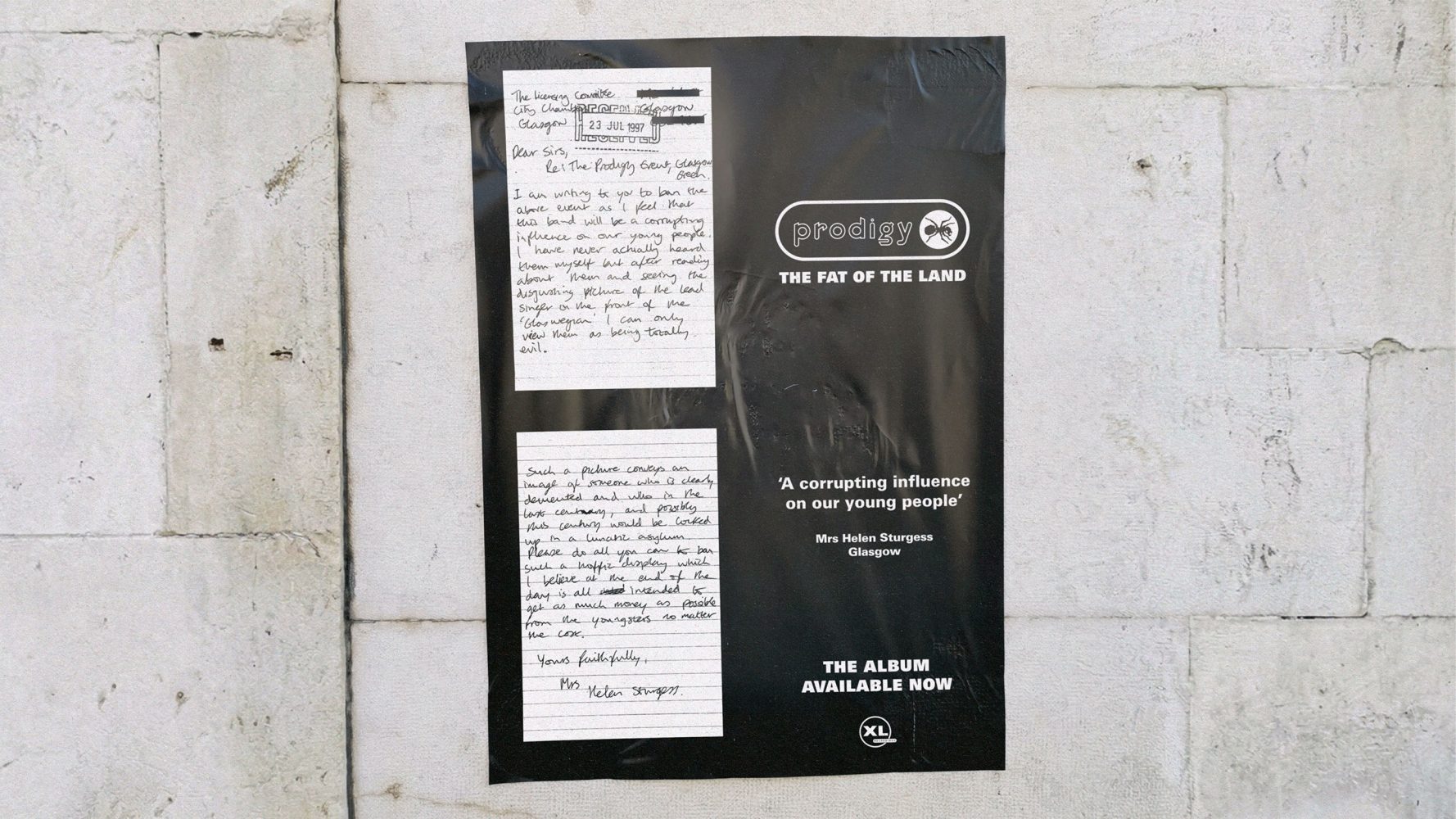
Designed by Alex Lloyd Jenkins
Website: www.alexlloydjenkins.com/
Yet away from the glare of the video shoot and the hysteria that followed, the reality was far removed from that feral persona. On a cold January day in 1996, The Prodigy — still unaware of just how seismic their breakthrough would become only months later — set off for a photoshoot in Chelmsford, in support of the then-upcoming ‘Firestarter’ single. They headed out in search of striking locations, meeting up with British photographer Phil Nicholls, who by that point had already worked with dozens of world-renowned artists, including Nirvana, The Cure, and Nick Cave.
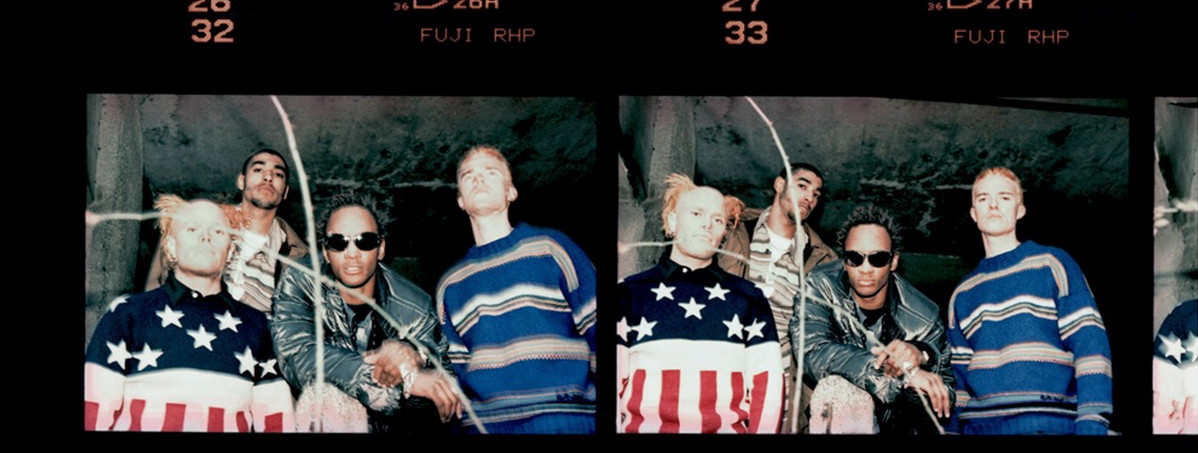
Website: www.philnicholls.co.uk
15 January 1996, Chelmsford, Essex
It was not The Prodigy’s first encounter with Phil. Back in September 1992, Nicholls had first crossed paths with The Prodigy to shoot images supporting their newly released debut album ‘Experience’. That early session took place at Liam Howlett’s father’s house, at a time when the group’s later fame — which would surge dramatically after the release of ‘Music for the Jilted Generation’ — still felt impossibly distant, as far away as the moon itself. Phil and All Souvenirs previously revisited that shoot in a joint Instagram post, and writer Ian Gittins was also present on the day.
Ian Gittins via Facebook: “That was a cracking day. The very young and polite Prodigy in matching jumpsuits, Keith with hair curtains, and Liam worried his dad would be cross he’d hung their backdrop on their front-room wall. All a very long way from ‘Firestarter'”
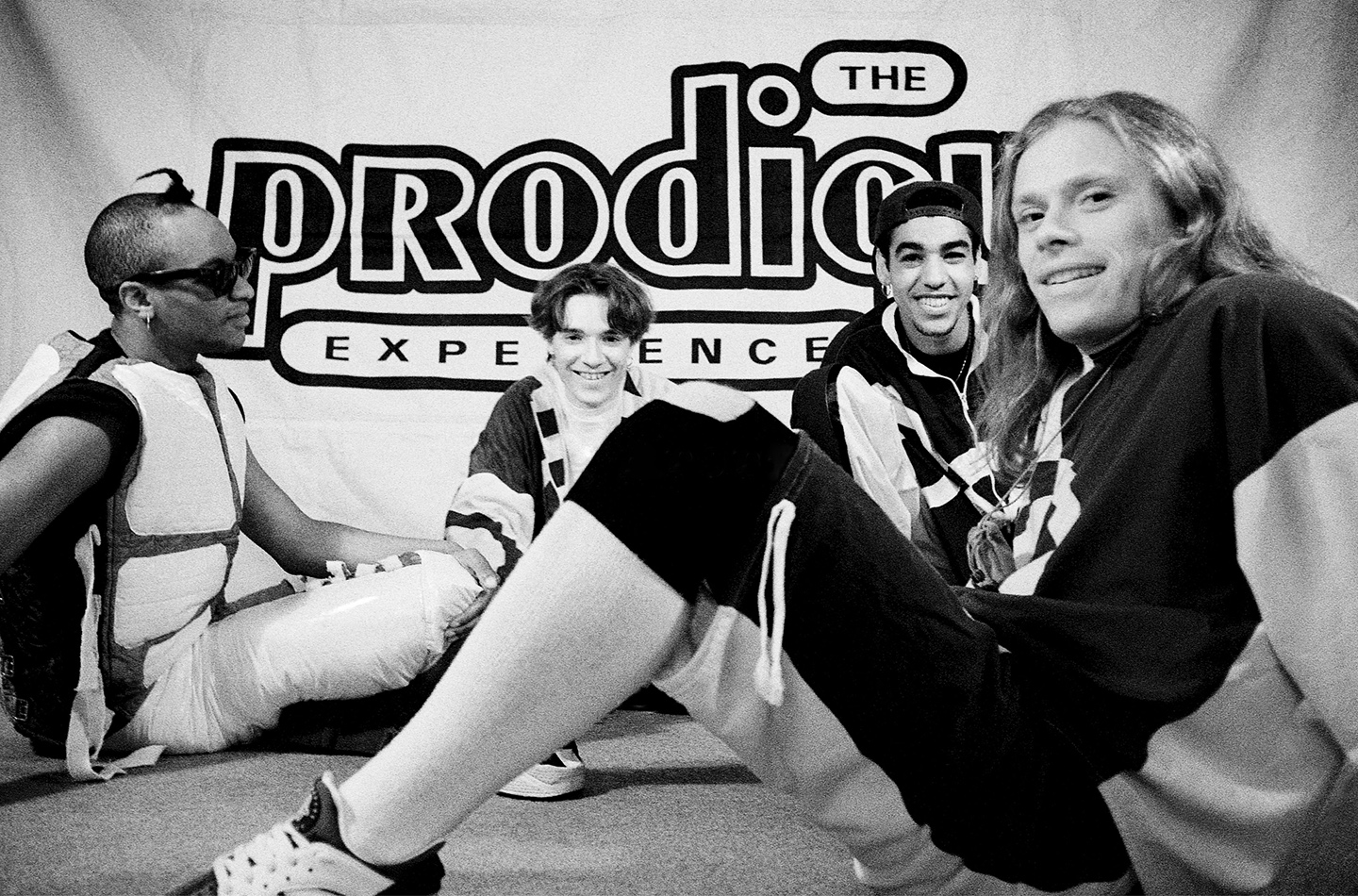
Website: www.philnicholls.co.uk
18 September 1992, Chelmsford, Essex
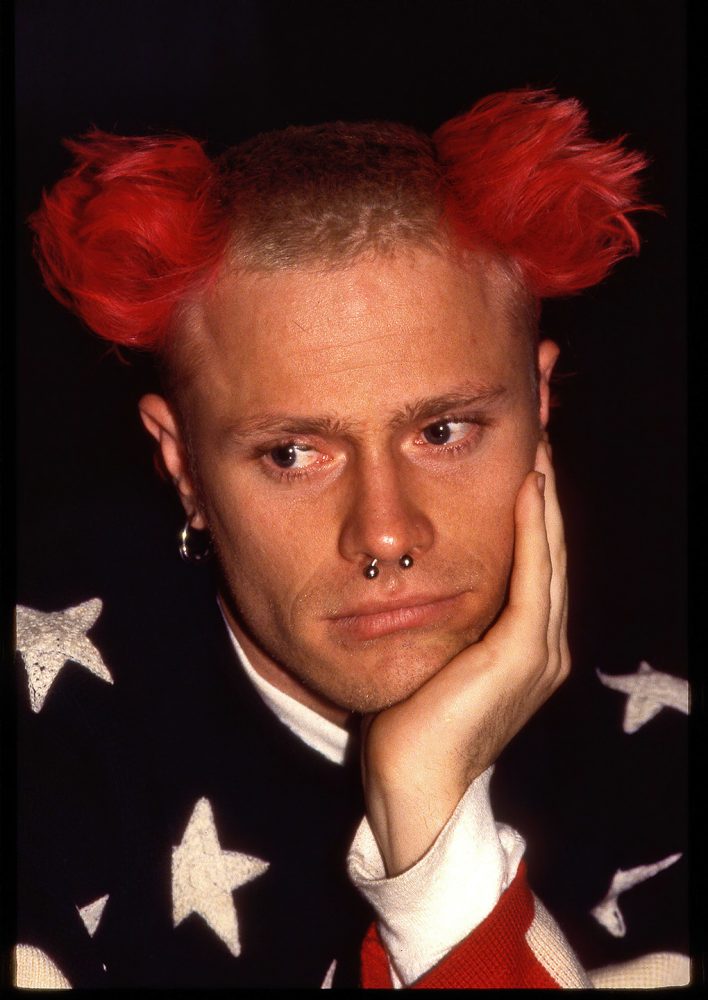
By the winter of 1996, already on the brink of global stardom, the band were behaving almost as casually as they had four years earlier. Of course, Phil immediately clocked the now-famous jumper: ‘What really made the session for me was the stars and stripes jumper that Keith Flint was wearing, a look that became iconic and emblematic’
Website: www.vasiliykudryavtsev.com
15 December 1995, Moscow, Russia
Rumour has it that Keith picked it up at Camden Market towards the end of 1995 — and he was already wearing it backstage at the band’s Moscow show that December. Clearly taken with it, Flint turned up to Phil’s shoot in the very same jumper.
Phil Nicholls: “Everything was shot on film, the photos turned out gritty, with a bit of flash blur. Flash blur was always risky because you never quite knew what you were getting — it really was just a feeling, a product of decades of film handling… It did go horribly wrong at times, I confess!”
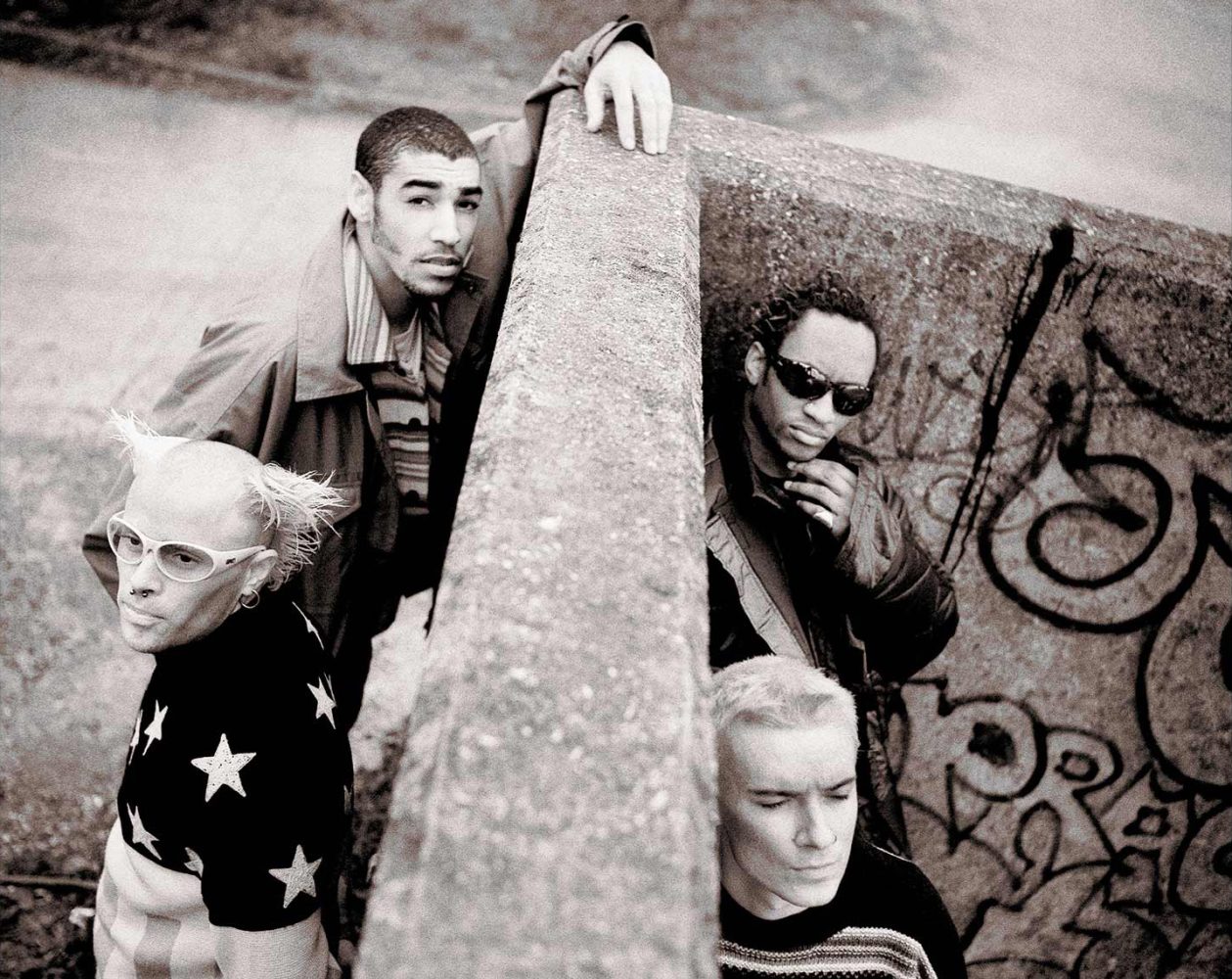
Website: www.philnicholls.co.uk
15 January 1996, Chelmsford, Essex
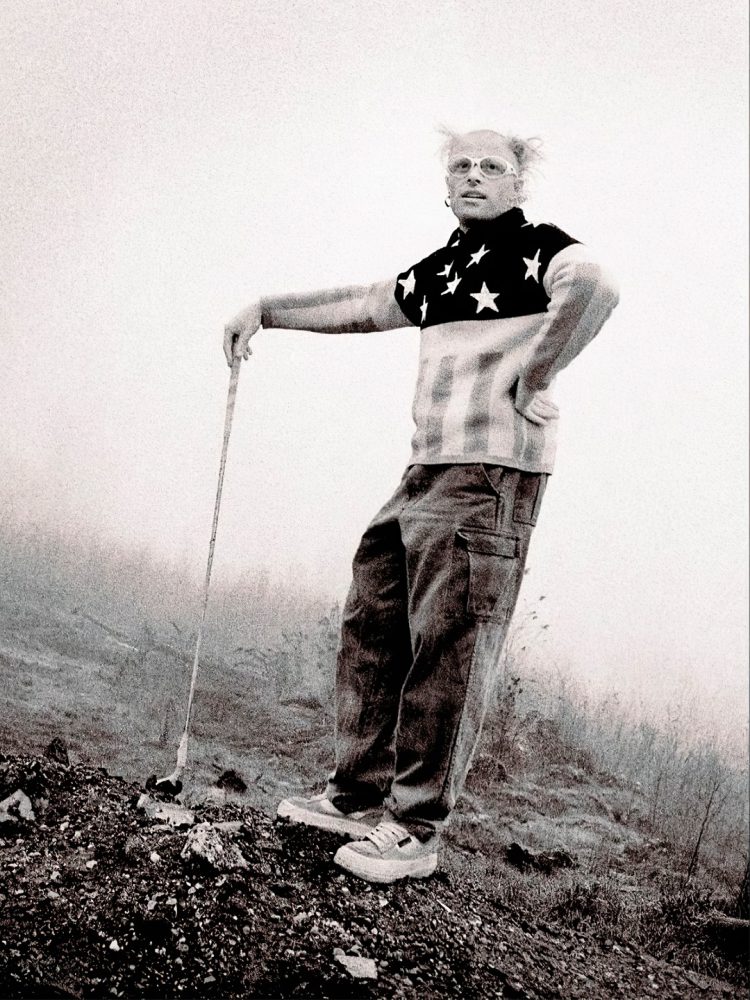
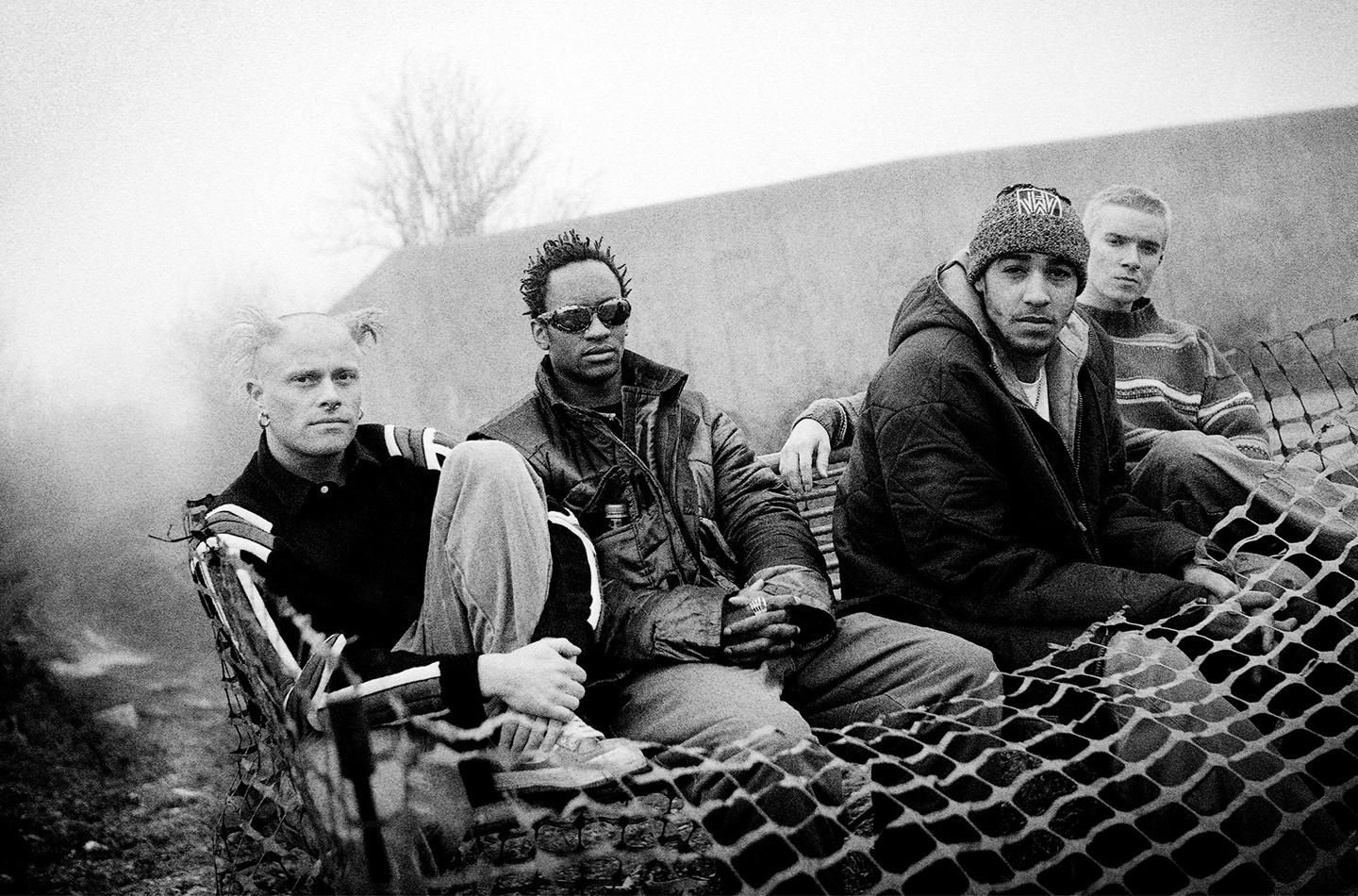
Between locations the guys stopped at a garage to pick up sandwiches, Phil walked in with Keith and we were confronted by two old chaps and jaws literally hit the floor when they clocked him. Later, on the wasteland, Keef found a knackered old golf club and immediately took up classic golfing poses, full swing, hand shading eyes as the imaginary ball disappeared into the distance… The shoot definitely wasn’t all serious.
Website: www.philnicholls.co.uk
15 January 1996, Chelmsford, Essex
Phil Nicholls: “One comment from him I’ll never forget; it was cold and misty that day, really cold, and I’d chucked a flask of brandy into my pocket before leaving home… We took a break during the shoot and I offered the band a slug of the finest, a cigarette too, (I remember they were Marlboro Red, I favoured them in my smoking days). They all declined and Keith said, ‘No thanks Phil, we don’t use ’em!’ I thought that was brilliant!”
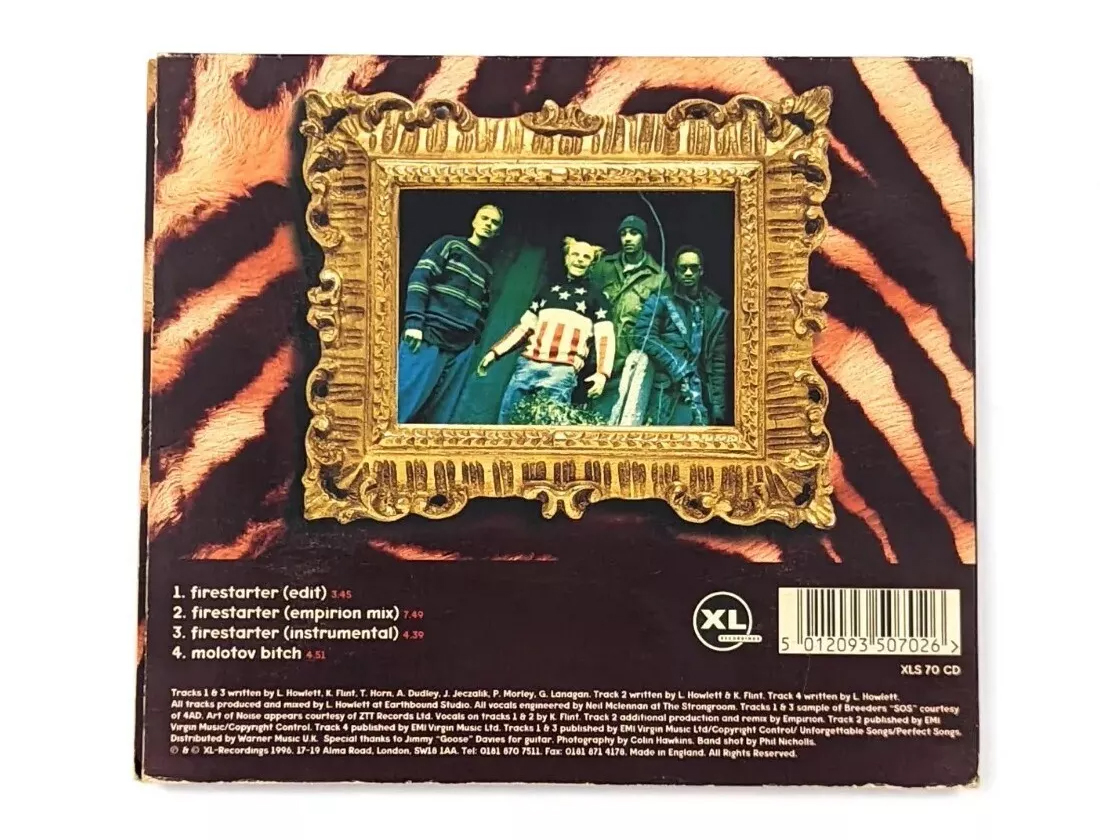
One image from the session ended up on the ‘Firestarter’ sleeve, although Phil Nicholls much prefers a later desaturated version to the original 1990s print, which carried a heavy yellow cast. The photograph itself is actually a composite of two separate frames. Nicholls recalls that, at the time, the result felt like pure magic. He didn’t own a computer, his first digital camera was still years away, and any form of retouching meant working directly on the print — using ink, dyes, or even carefully scraping the surface with a scalpel to remove blemishes. Ouch.
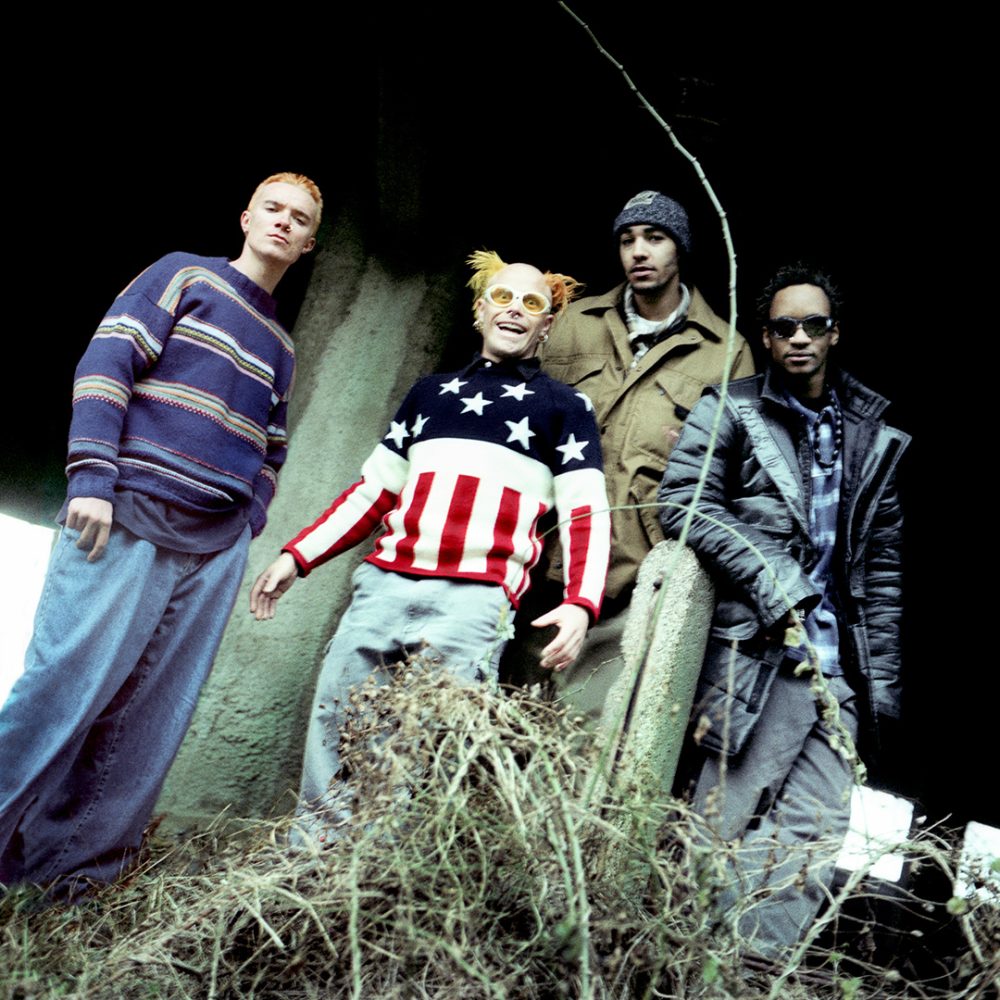
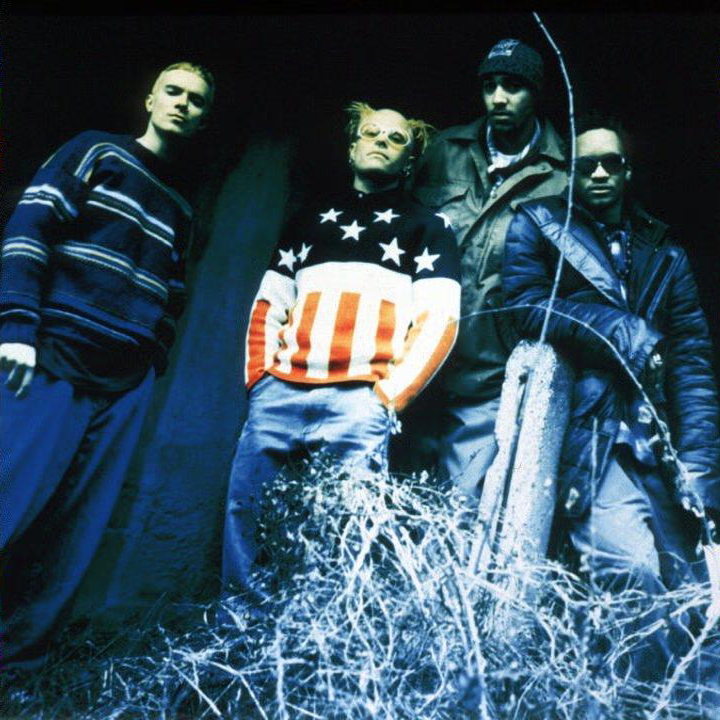
Phil Nicholls: “I’m still torn on this whole process, the manipulation of images I mean. It’s part of everyday life for all of us now but it obviously goes way back, way back in history, in so many ways. I think on this endlessly and after a day of scanning and editing negatives where I’m tidying my subject to look her absolute finest….what is real at the end of the day and does it matter? I don’t know. It’s just something we accept and live with even if we don’t really acknowledge it. I mean nothing negative and this is just another chain of thought as I post another image for some of my friends.”
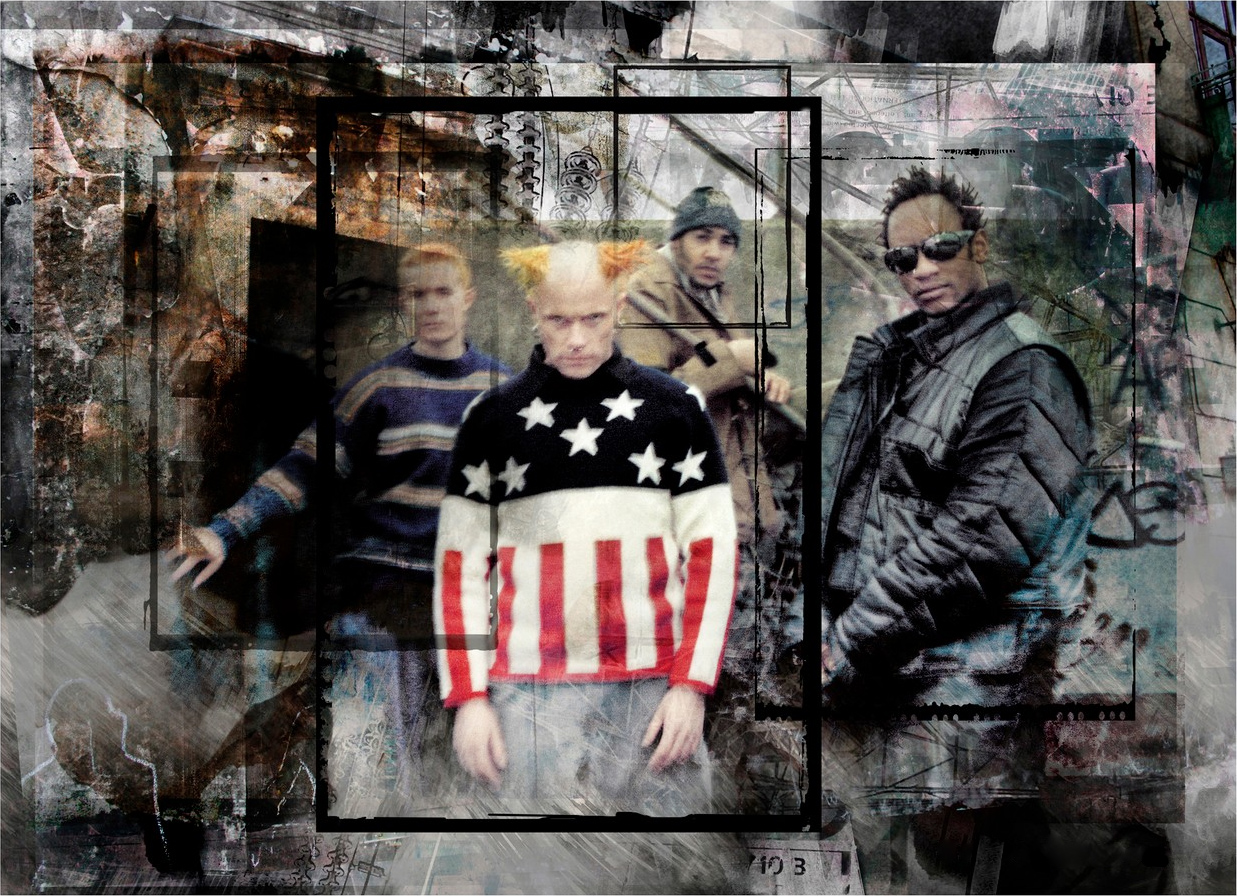
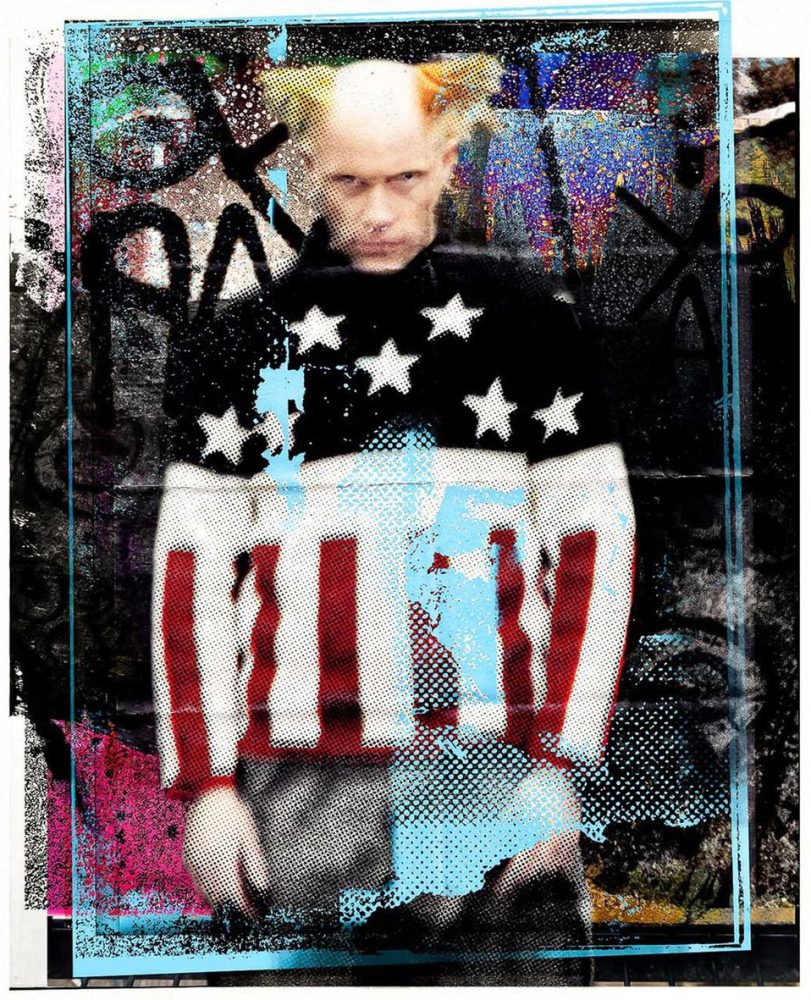
More: www.instagram.com/dystopianartist
Phil still looks back on that shoot with genuine warmth. Perhaps it was his long-standing reflections on image manipulation and the fragile line between reality and interpretation that later led him to collaborate with Conrad Milne (@dystopianartist), who reimagined photographs from that day through his own distinctive, dystopian graffiti-influenced visual language.
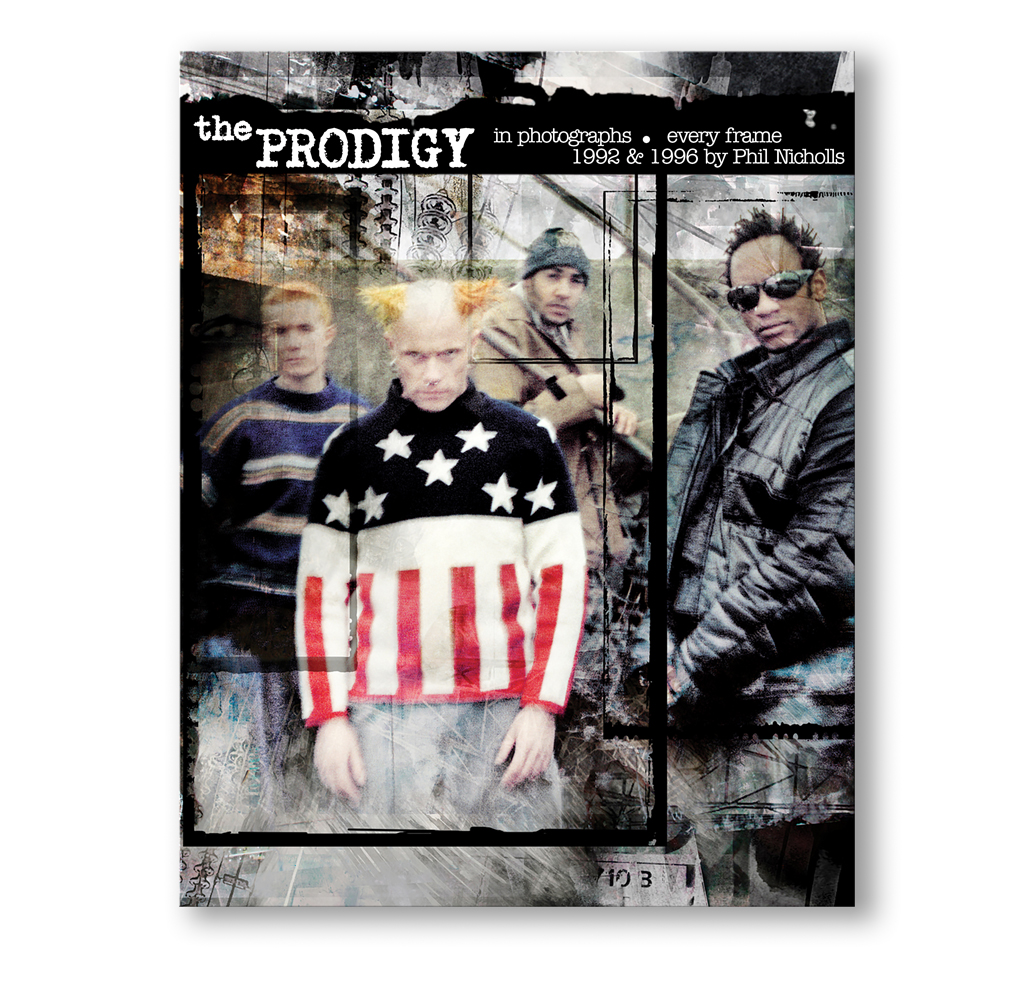
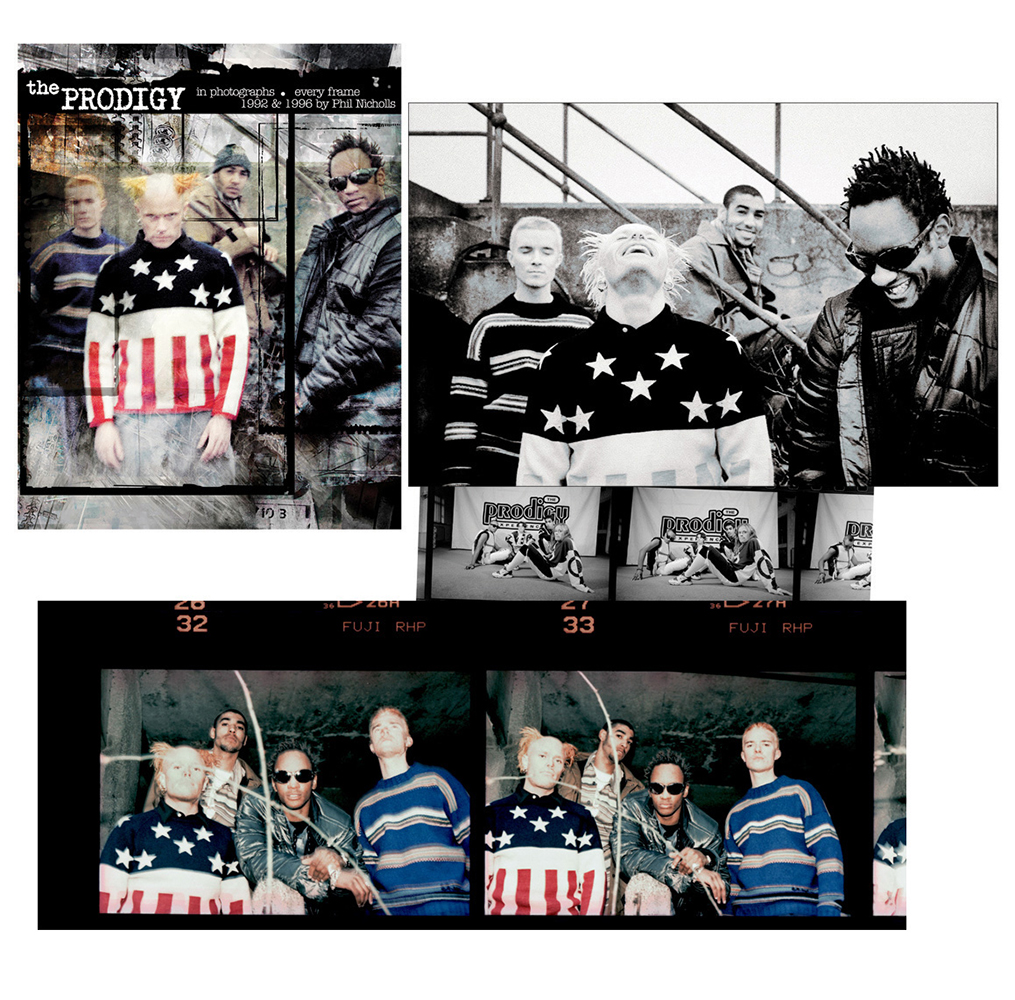
More info: www.philnicholls.co.uk
At the end of January 2026, Phil will release his book ‘The Prodigy in Photographs: Every Frame 1992 & 1996’, offering the rare chance to explore every shot from that session in full. The book also includes all the original contact and working sheets, revealing the progression of ideas and the thought process behind each setup and location. It is available to order directly via Phil’s website.
Phil Nicholls: “I’ve been scanning and editing individual images over this year and see them as a final, perfected version of my captures from the 90’s. Why do I say ‘perfected’? Well, my original prints, all turned out of the darkroom (and often rushed under pressure to deliver) were sometimes a bit harsh and lacking detail, colour balance was often very wrong too. Dish- processing colour paper in trays of chemicals was a bit of a novelty at that point in time and I overlooked the strong yellow and green casts that gave the prints a particular and now very dated, ‘of the period’ look.”
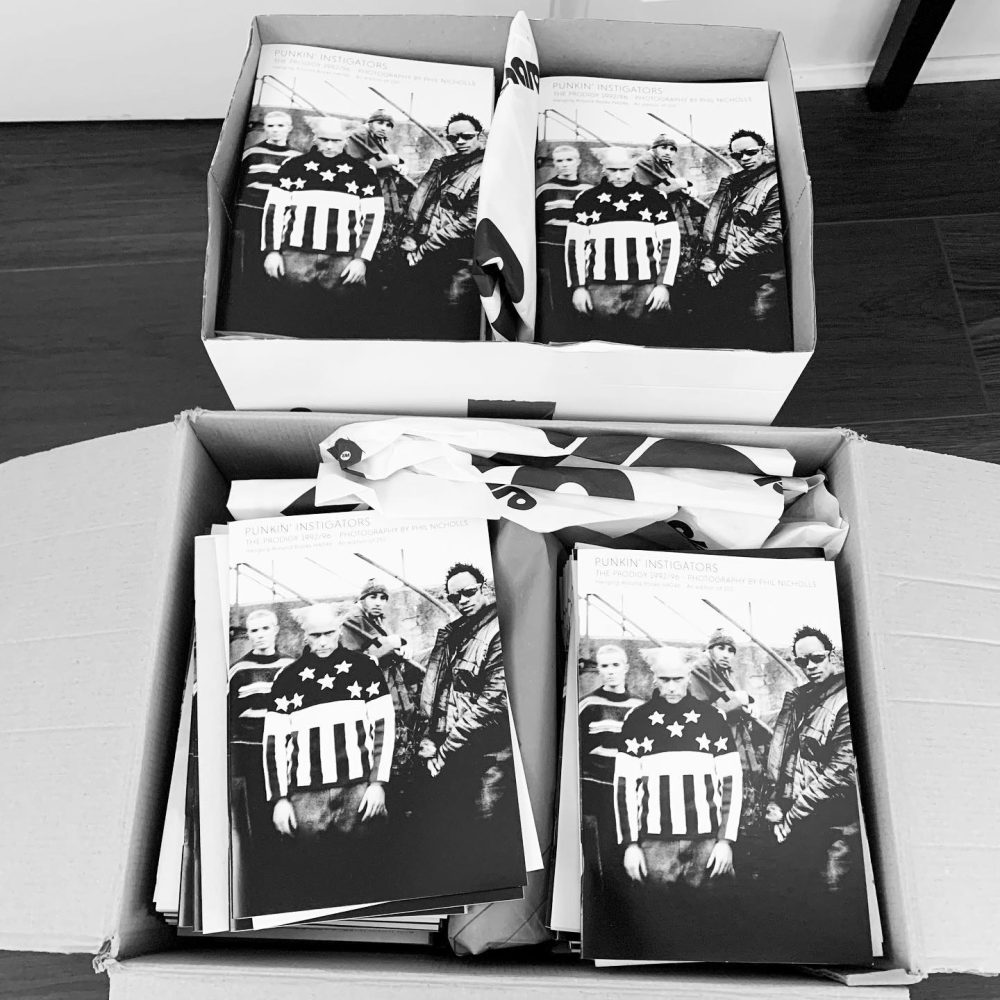
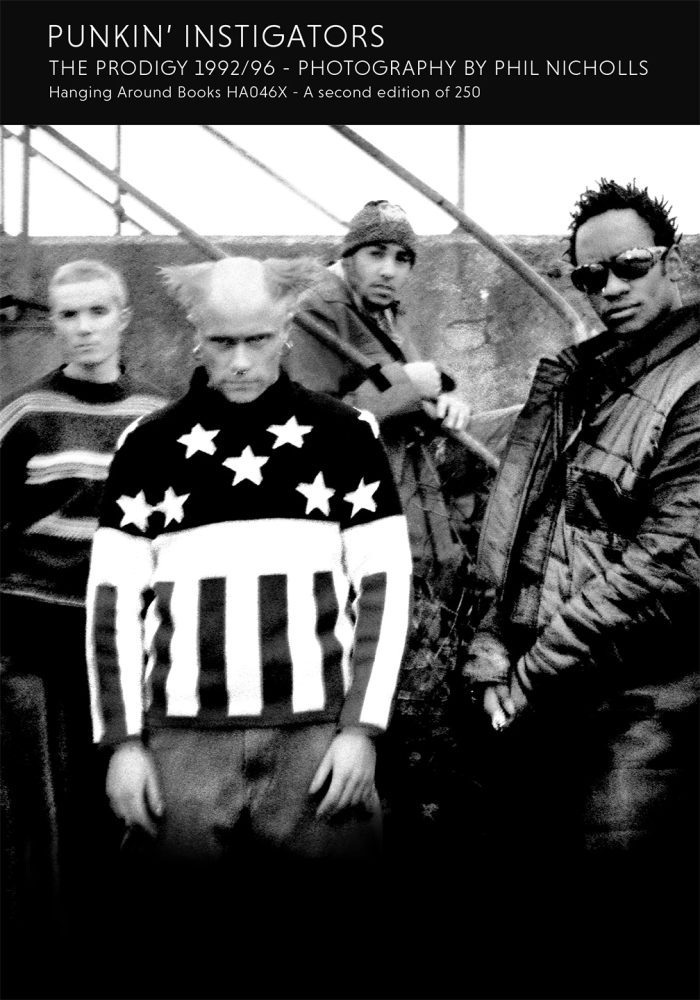
The first and second editions
More info: www.hangingaroundbooks.com
Back in 2021, Phil released a similar issue: the 36-page A5 black-and-white zine ‘Punkin’ Instigators’, published by Hanging Around Books and digitally printed on recycled paper. The new 2026 ‘The Prodigy in Photographs: Every Frame 1992 & 1996’ book expands significantly on that idea, featuring colour photographs alongside an even broader selection of previously unseen images from both sessions.
Website: www.philnicholls.co.uk
15 January 1996, Chelmsford, Essex
Thirty years on, that freezing January day in Chelmsford still resonates as a quiet, human moment before the mythology took over. Through Phil’s lens, and his reflections all these years later, the images remind us how legends are often formed long before anyone realises what they are witnessing.
Headmasters: SPLIT
Additional thanks to: Phil Nicholls, Vasiliy Kudryavtsev
Donate

 Tether (USDT)
Donate Tether(USDT) to this address


YOOMONEY (RUS): 7928З82272З