
#Jilted30: single ‘Poison’ turned 31!
On 6 March 1995, the iconic Poison single from The Prodigy’s second album, ‘Music for the Jilted Generation’, was released. It was on this track that Maxim’s voice was heard for the first time in the band’s history, and The Prodigy’s sound took on a noticeably darker, heavier tone. To mark the single’s anniversary, we are sharing the detailed story behind the track, providing a full account of all its versions and live performances, looking back at the cover art and music video, and, as is our tradition, showcasing an exclusive live edit recreated by the All Souvenirs crew.
Poison marked a significant milestone in The Prodigy’s development, signalling their transition from the frenzied, fast-paced rave sound of the early 90s to a darker, harder sound. The idea for ‘Poison’ came to Liam Howlett in early 1994, at the height of the jungle boom. At the time, the underground scene was dominated by a trend to push tempos to the limit, but Howlett decided to go in the opposite direction: he has recalled on numerous occasions how, in contrast to the general trend, he deliberately created a slow track, confident that critics and listeners would welcome the new direction.
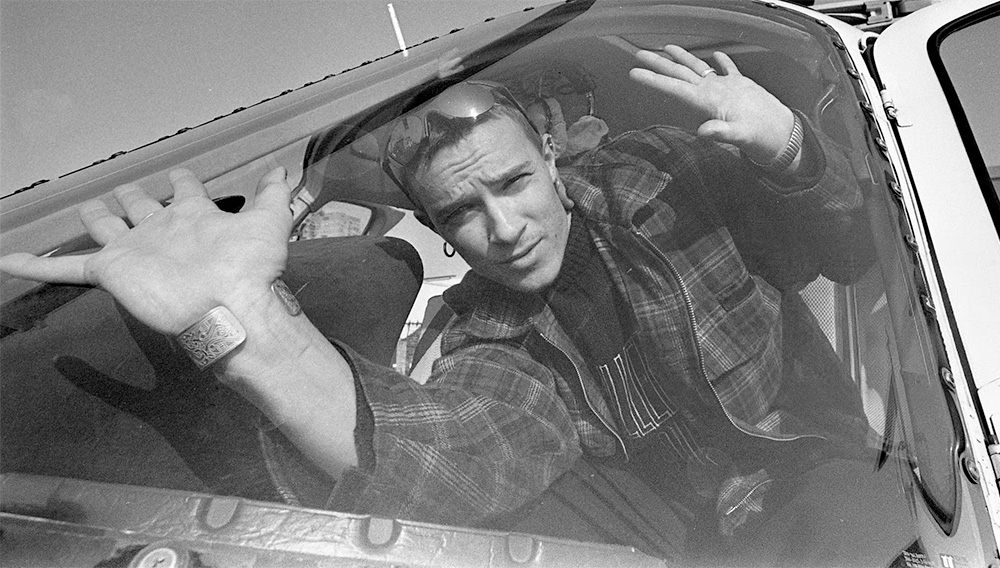
Indeed, the tempo of the new track was just ~104 beats per minute, which was significantly slower than typical electronic tunes of that period. The move towards a slow groove was no accident and was even, in a way, autobiographical, as Liam himself noted. Even before founding The Prodigy, he was into hip-hop and had even DJed for the local group Cut2Kill, and ‘Poison’ was an attempt to recapture that aesthetic. According to Howlett, this track became one of his favourites on the album, a sort of return to his roots.
Liam Howlett to Martin Roach: “Hip-hop was the first style of music I was really into, and ‘Poison’ has a lot of that element in it, it sums up that portion of my life very well. Musically it represents the biggest chunk of my life I suppose, it is basically a hip-hop memory of all the stuff I was into, even though it is not a true hip-hop track.”
Liam wasn’t the only one to realise that slowing down the tempo would benefit the music. In Martin James’s book ‘We Eat Rhythm’, Leeroy Thornhill recalled that by 1992–93 he was already weary of the BPM race: “At one point around the time of Experience I was just getting tired of all the beats getting fast. I remember saying to Liam at the time “You don’t have to do stuff fast for it to be hard”.” ‘Poison’, with its mid-tempo beat, became the embodiment of this idea — and indeed, on the album ‘Music for the Jilted Generation’, the variety of tempos turned out to be immense.
On the new track, Liam wanted to give Maxim more space, making him a full participant in the studio recording — prior to this, Maxim had only performed with the band on stage as an MC, whipping up the crowd, but hadn’t performed any parts on the album tracks.
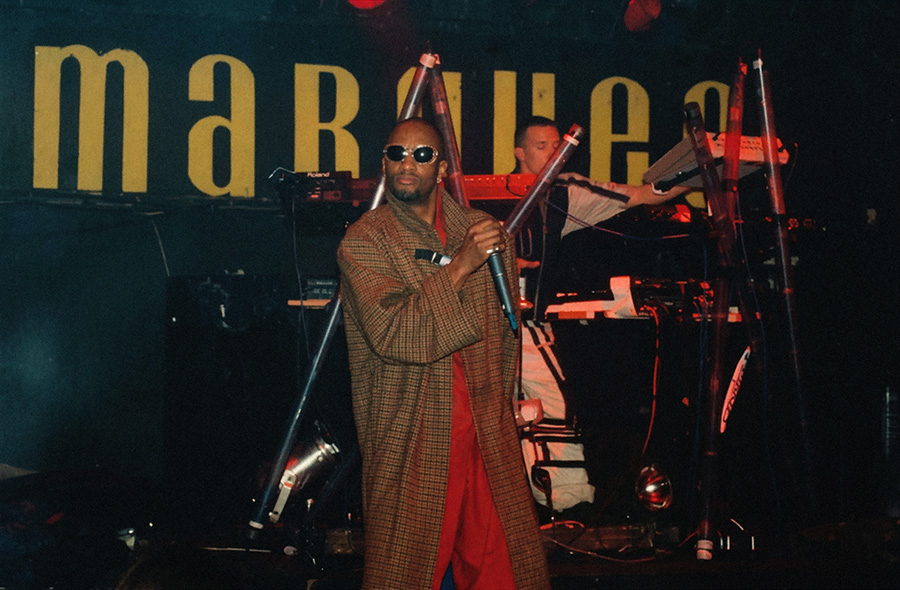
It is known that Maxim tried out several versions of the lyrics, but none of them worked. At some point, he came up with a simple, catchy hook: I’ve got the poison, I’ve got the remedy. I’ve got the pulsating rhythmic remedy. Its meaning unfolded in the listener’s ears: these lines could be interpreted both as a metaphor for poison and antidote, and as a reference to a drug-induced trip. The hook fit perfectly over the slow, drawn-out beat.
Maxim to Martin James: “It was actually quite hard to do because I wanted it to say something. Without saying too much.”
Despite his enthusiasm, Howlett realised that such an experiment with the tempo of the tracks was quite a risky move for the band. Fans, accustomed to The Prodigy’s fast-paced rhythm, might well have rejected ‘Poison’. “That track could lose us a lot of fans because it is so slow”, — Liam admitted. That is precisely why, on the 1994 tour in support of ‘Jilted Generation’, the track was performed only in a shortened two-minute version.
That said, despite its low BPM, the track was one of the most powerful numbers on the album. Liam himself considered ‘Poison’ to be one of the key new tracks on ‘Music for the Jilted Generation’, clearly marking the evolution of the band’s sound.
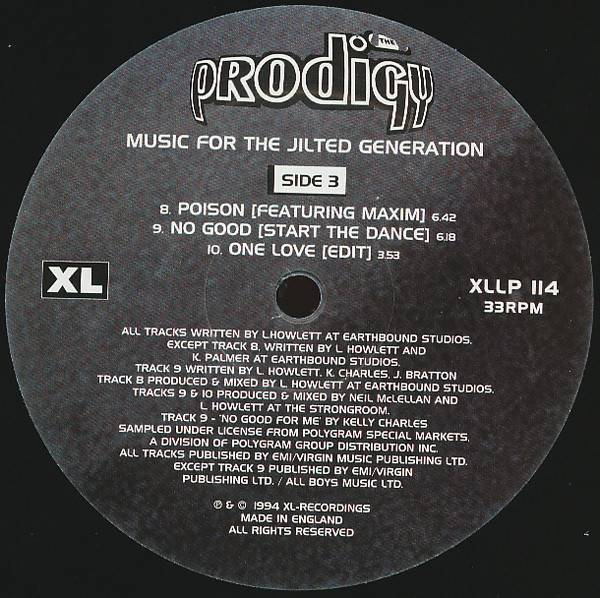
To create the drums, Howlett used samples of classic funk breaks: the base was a break from ‘It’s a New Day’ by Skull Snaps, then the famous amen break – though taken from Demon Boyz’s ‘Jungle Dett (Hardcore House Mix)’, and a part by Bernard Purdie from ‘Heavy Soul Slinger’, as well as a hidden message from the hip-hop group EPMD.
- Sample: synth
- Sample source: Roland JD-990 & SR-JV80-04 Vintage Synth – Patches – 208 EML Wobbler
- Sample: beat #1
- Sample source: Tim Dog – Skip To My Loot (feat. Smooth B) [Do Or Die, 1993]
- Original source: Skull Snaps – It’s A New Day [Skull Snaps, 1973]
- Sample: vocals (‘from the underground’) (at 1:15 and throughout)
- Sample source: EPMD – Can’t Hear Nothing But The Music [Business Never Personal, 1992]
- Sample: beat #2 & high-pitched synth & bass
- Sample source: Demon Boyz – Jungle Dett (Hardcore House Mix) [Dett, 1992]
- Sample: break
- Sample source: Pretty Purdie – Heavy Soul Slinger [Soul Is… Pretty Purdie, 1972]
Sound engineer and the band’s behind-the-scenes mastermind, Neil McLellan, noted that the swing (the shift in the beat) in the rhythm of ‘Poison’ is simply huge – “It’s almost like a New Jack Swing in a weird way, but the two and the four are so solid”, — he said in an interview with Musictech. The characteristic ‘clicking’ sound of the cymbal, running in 32nd notes throughout the track, was played by Howlett manually on a Roland W-30 synthesiser.
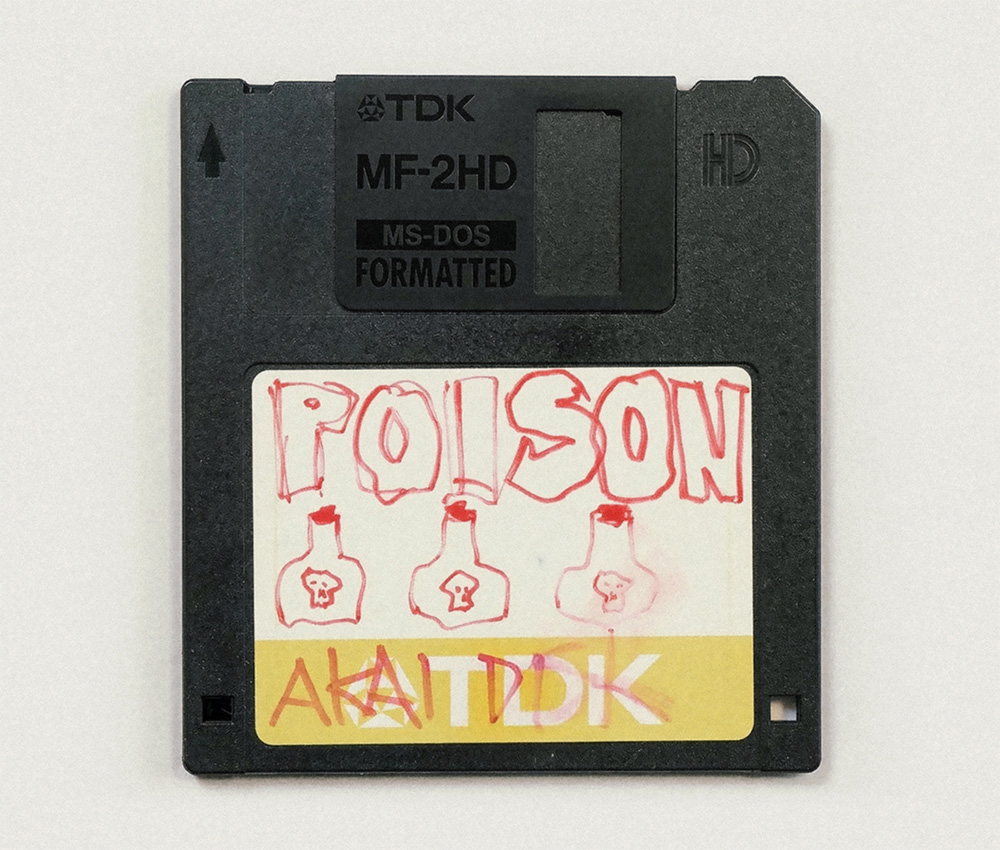
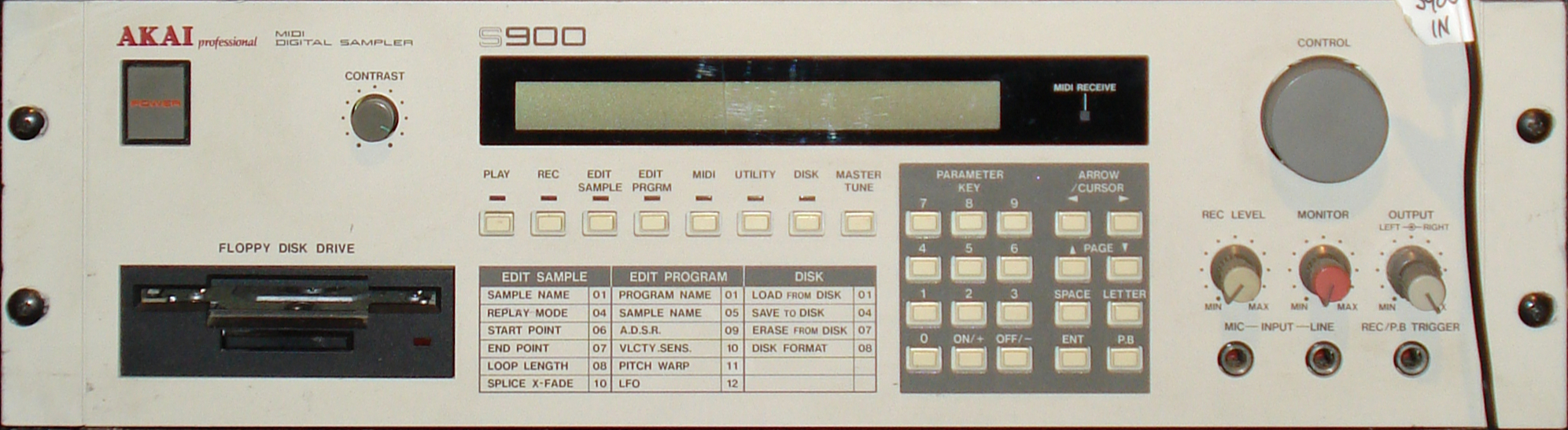
Right at the start of the album version, you can hear Howlett editing a sample on his AKAI S900 sampler — Neil recalled that it had a distinctive sound on the jog wheel. It is this very process that is interrupted by a ringing telephone, which so inopportune as it was, prevented Liam from “write this fuckin’ tune”.
Hello? Yeah, hold on a sec’. Liam, someone on the phone for you
Oh, fuck’s sake, tryna write this fuckin’ tune, man!
The track was fully mixed at Earthbound Studios (Liam’s first studio in the Essex suburbs) and ended up on the album in that form. In an effort to make the sound as dense as possible, Neil gradually “pushed” the mix to its limits: “I remember driving everything, I was uncomfortable about it, but they wanted more poke on everything. Because everything’s a build on the track, even though it’s already full-on. But then it’s got to find another level”, – recalled McLellan.
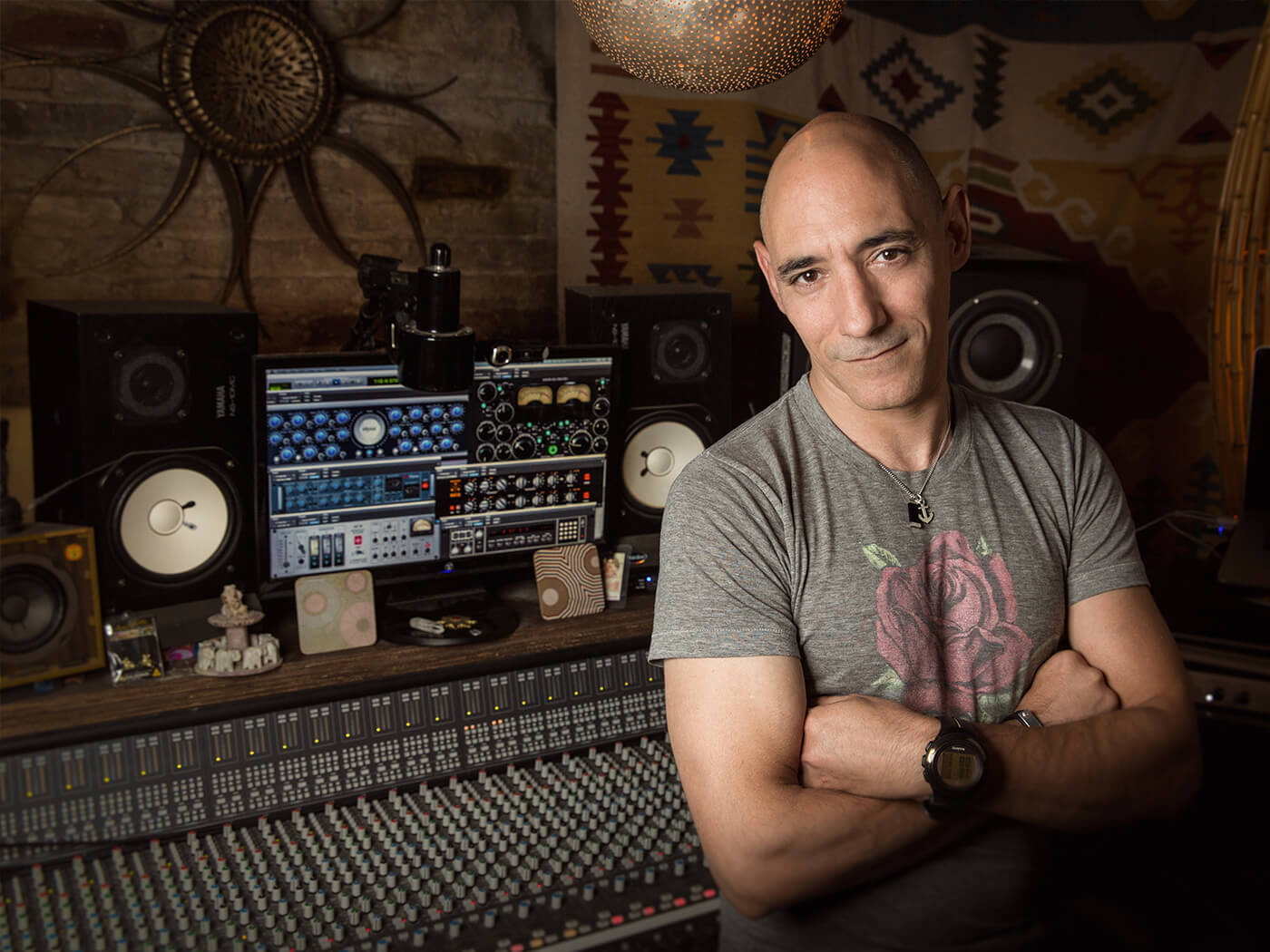
This new level was the intense breakdown at around 2:08 in the album version – the moment when a sharp “howling” sound appears in the mix, a sample from ‘Jungle Dett’. McLellan explained that by that point, all the channels were already running “at 11 on the board” and he had absolutely no room left: “Everything was absolutely the maximum that it can be. Every tiny little tweak, I’d start hearing distortion. At this rate, I thought, I’m going to have this mix buss at -10dB. So, technically, as an engineer you’re going, ‘Well, this sucks'”. However, Liam and Maxim still wanted to add some “fat”. So Neil took a desperate step: “I thought, ‘You want more? Fuck it, have that'” – and cranked up the EQ on the channel group, adding a piercing tone around 1 kHz, he recalled. Expecting criticism, Neil glanced back at the lads, but saw that Howlett was beaming with delight. “Fuck yeah. That’s the one!” – Liam shouted, hearing the frenzied effect it produced.
SINGLE RELEASE (1995)
By early 1995, it had been decided to release ‘Poison’ as a standalone single – the fourth and final single from ‘Jilted Generation’. At the insistence of co-producer and sound engineer Daniel Miller (founder of Mute Records), the band headed to London’s Strongroom Studios to re-mix ‘Poison’ on a professional SSL analogue mixing desk. There, Liam and Neil McLellan perfected the track: the single version was titled 95EQ and featured deeper bass and slightly different drum accents compared to the album version.
The single was originally due to be released on 27 February, but the release was postponed by a week. Released on 6 March 1995, it charted well and once again demonstrated the loyalty of the press and the public towards The Prodigy’s evolving new sound.
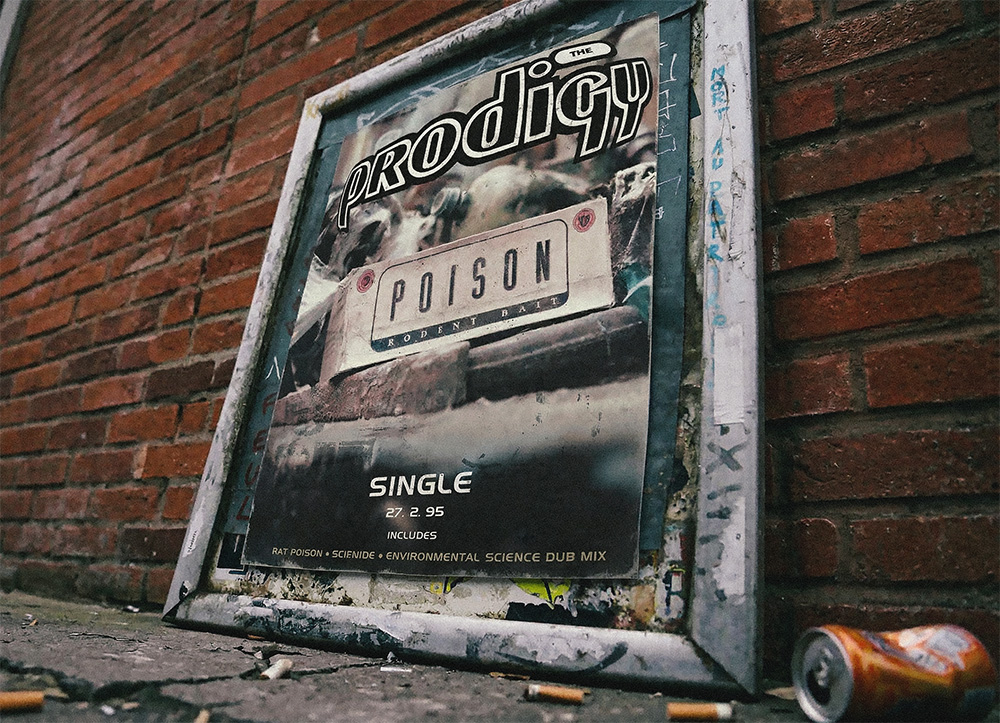
Larry Flick for Billboard’s ‘Single Review’ (15 April 1995): “Single from the touted ‘Music For The Jilted Generation’ album marks the rave outfit’s first foray into hip-hop. It’s an inspired move. The act’s penchant for quirky loops and industrial sound effects melds perfectly with the track’s approachable downtempo groove. Voiced by new band member Maxim Reality, juicy jam could easily glide from alternative dancefloors onto radio airwaves.”
The single features three new mixes of the title track: a version of Poison (95 EQ) re-mixed at Strongroom Studios, an alternative guitar remix created by Howlett himself called Rat Poison, and a third-party dub remix by Environmental Science, old friends of The Prodigy. In addition, the tracklist included the powerful b-side tune Scienide.

Much to the disappointment of fans, the full 6-minute version of ‘Poison (95 EQ)’ was only included on the first vinyl single release, whereas the CD single and all subsequent compilations featured the shortened 4-minute edit.
Even on the vinyl repress, released just a year later, the shortened 4-minute version was used, which meant that the original 95EQ was rarely heard by listeners and remained unknown to the general public for a long time.
This led to confusion, and the designation ’95EQ’ came to be frequently misused for the radio version, although in reality the versions are named as follows:
- 95EQ (XL) or 95EQ Mix (Mute) – the full-length version from the vinyl only;

- ’95 Edit or 95EQ Edit – a shortened 4-minute edit from CD/Digital releases, used in radio broadcasts and the music video.

A couple of years ago, this shortened mix was faithfully recreated by Canyon Hill, a member of the All Souvenirs team.
It is worth mentioning that there is an even shorter version of the track – 3:40 Edit, officially released in 1995 on various artists compilation by Danish label ‘Arcade’.
LEFT/RIGHT MISPRESS
It is also worth noting that the CD release of the single, most likely due to a mistake on the part of the sound engineers, was released with a defect: the left and right audio channels were swapped. To spot this, one need only compare the CD release with the first vinyl edition — in every single instance, the left and right channels are exactly the opposite. And although one might assume that this mistake lies precisely with the first vinyl pressing, there is a number of pieces of evidence pointing to the contrary.
Firstly, the correct channel placement can be determined from the album version of ‘Poison’: a short ‘scratch’ sample (for example, at 4:42) is heard in the left channel there — exactly as on the full 95EQ version released on vinyl. Secondly, this is confirmed by professional stereo recordings of live performances: the chorus “I’ve got the poison” begins in the right channel on these (at least from the end of 1997, as on recordings prior to 1997 the track was played live using a Roland W-30, which was occasionally connected incorrectly, with the left and right channel cables sometimes swapped), which also corresponds to the full-length version of ’95EQ’ on vinyl. At the same time, in the shortened version ‘Poison (95 Edit)’ from the CD single, everything sounds exactly the opposite.
- ‘POISON’ L/R COMPARISON
- 1. Original Version from album (‘scratch’);
- 2. 95 EQ Mix from 12″ (‘scratch’);
- 3. 95 EQ Mix from 12″ (‘chorus’);
- 4. 95 EQ Edit from CD/Digital (‘chorus’);
- 5. 95 EQ Live pro-shot 2009 (‘chorus’).
It is worth noting that this same shortened edit with the defect was also used in the music video, and later appeared on all digital releases, including the compilations ‘Their Law: The Singles 1990–2005’ and ‘Selected Mixes For The Jilted Generation’. The remaining tracks from the single (‘Rat Poison’, ‘Scienide’ and ‘Environmental Science Dub Mix’) were also released on the first vinyl edition with a different (correct) channel arrangement. Judging by the main track from the single, it is safe to say that the channels are also mixed up in the digital releases of other three tracks — and to this day they are reissued on other Prodigy releases with this technical flaw!
B-SIDE TRACKS
Aside from the title track, it is also worth taking a closer look at the other tracks on the single. Rat Poison – hard-hitting remix largely foreshadowed the guitar-driven sound of the subsequent album ‘The Fat of the Land’, as well as the rock elements that the band continues to incorporate to this day. Nevertheless, this track was never performed live, even though its structure seemed tailor-made for the stage. Perhaps the reason was a reluctance to play the same song in two different versions during a single show.
Liam Howlett: “This track is a mix that I did featuring my friend on lead guitar and myself on bass guitar. I just wanted to take this mix as far away from the original as possible. The result is some- where between ‘Biohazard’ and ‘Nine Inch Nails”.
The B-side Scienide was recorded around six months before the single’s release and was performed live several times in late 1994.
Prior to its release on the single, the track was issued as a separate white label without ‘The Prodigy’ branding, with a print run of 500 copies. This white label was likely an attempt to replicate the promotional strategy that had worked two years earlier with the single ‘One Love’. However, given the new sound of the upcoming release, which was already far removed from the techno scene, there was little point in this.

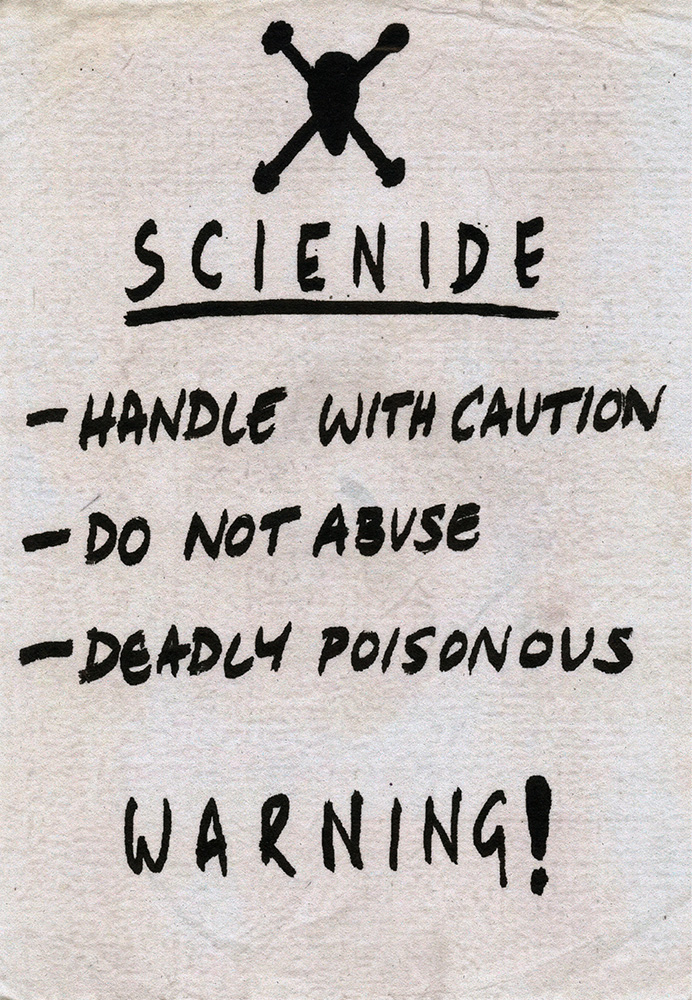
Nevertheless, ‘Scienide’ itself became a kind of harbinger of the future sound. According to Liam, the track opens with a processed guitar distortion sound — a technique that would soon become the band’s trademark. It was precisely using this same principle that the main guitar sample for ‘Firestarter’ — the future hit and signature track of The Prodigy — would be created later in 1995.
DJ Spatts (real name Ian Allen) — one of the Environmental Science members who tragically passed away in December 2023, himself recalled the remix a few years ago. Previously, he could easily be found in fan groups on Facebook, where he would occasionally share memories and answer questions from The Prodigy’s fans.
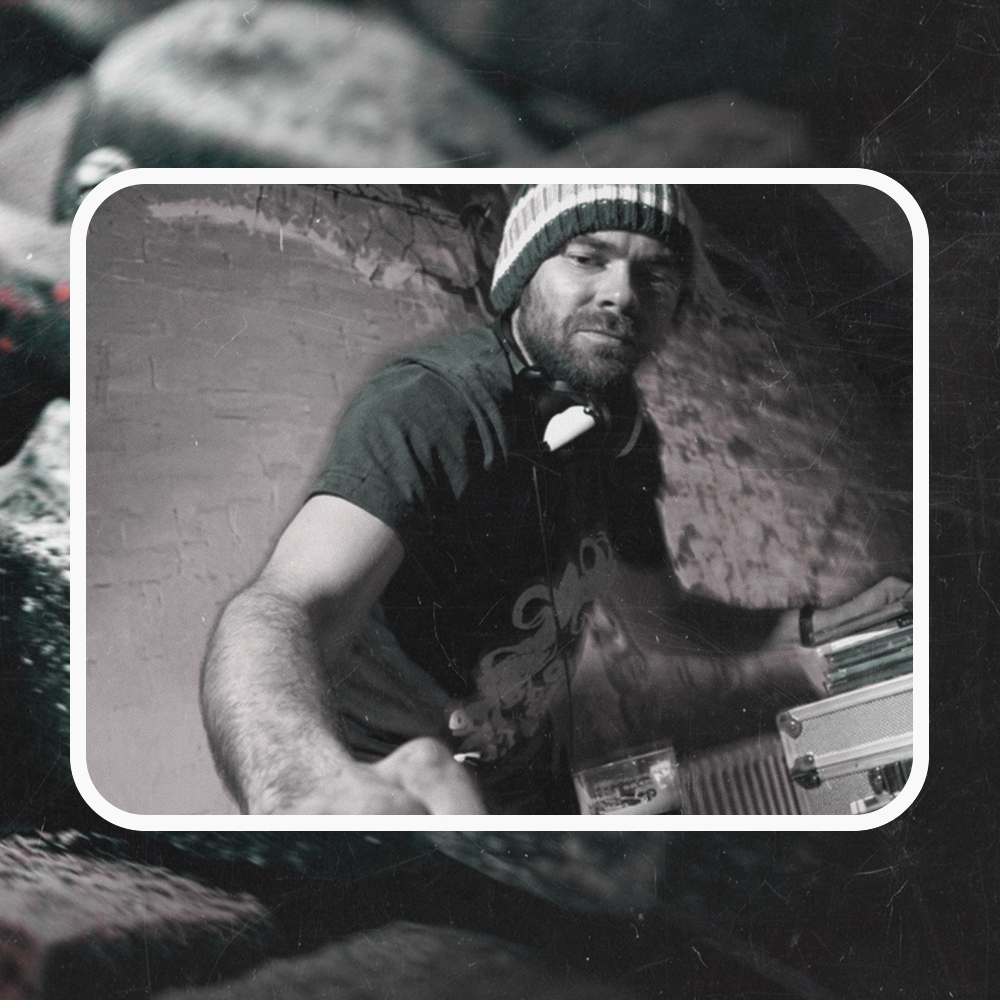
DJ Spatts on Facebook: “My remix of ‘Poison’ was originally supposed to be a Criminal Minds remix, but we had just broken up as a unit. We formed Environmental Science specifically to work on the mix. That led to The Shamen wanting a remix and us subsequently signing to Skint Records.”
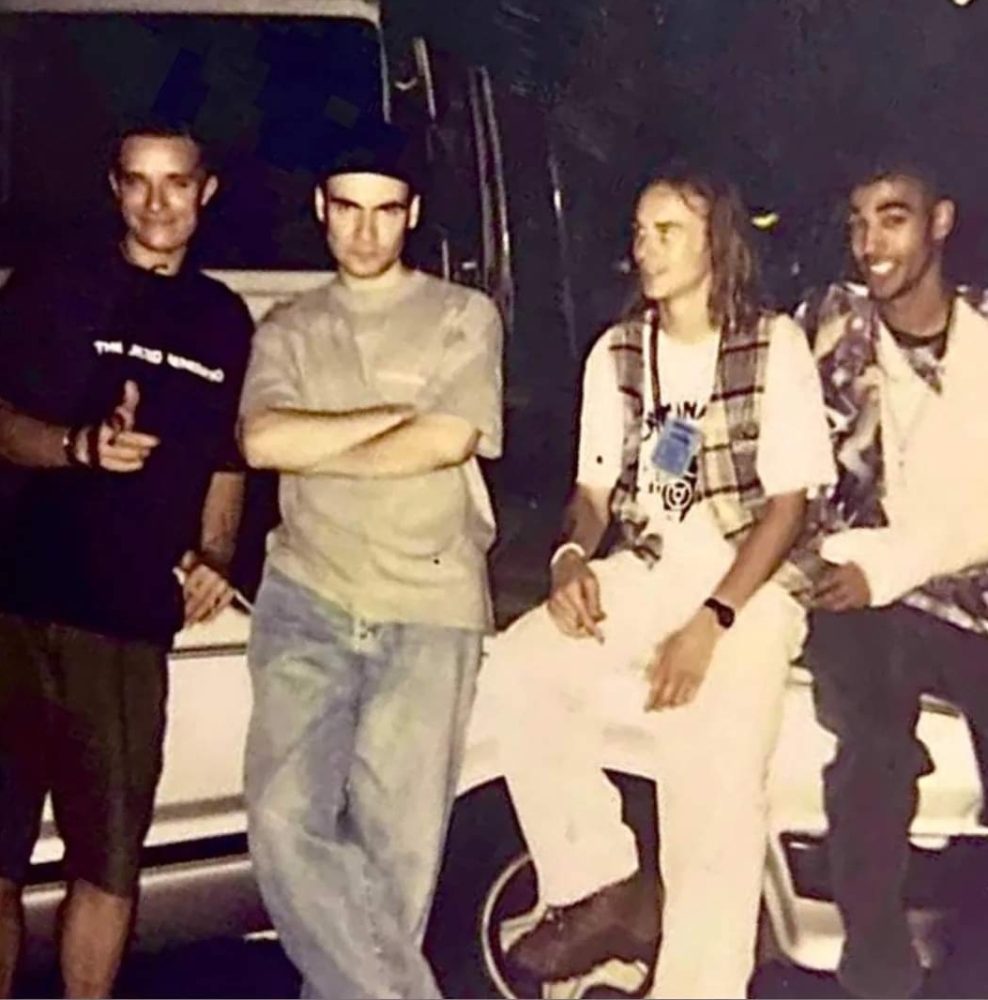
Liam Howlett: “This track is quite a dubby mix from these boys. I like the way that they have edited the beats up and that the vocal sounds very cool with the delay effect on it. This gives the whole track a different angle”.
DESIGN
For the artwork of the ‘Poison’ single, the band turned to in-house designer Alison Fielding, who worked as the art director for Beggars Group and was responsible for the design of The Prodigy’s releases in those years (we already shared the story about her work on ‘Voodoo People’). The concept of the cover was born from the track’s title: Liam suggested depicting a box of poison in an old dusty shed, with a rat running over or around it. However, finding the right props proved difficult. In a conversation with All Souvenirs, Fielding recalled that she couldn’t find a sufficiently vintage box with the ‘Poison’ title that would work for the shoot.
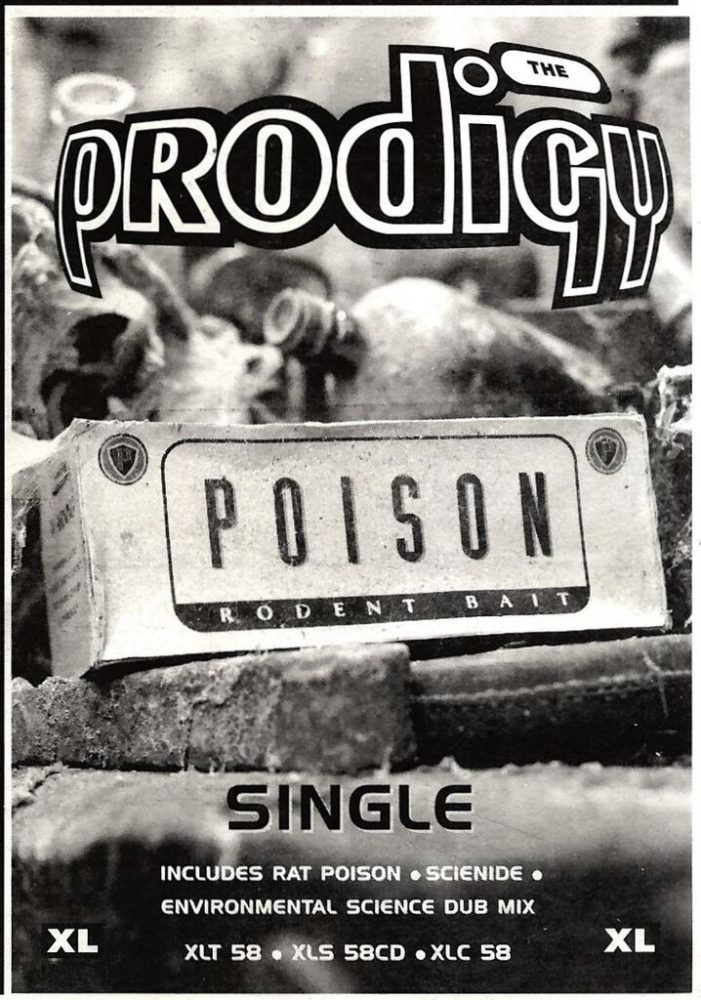
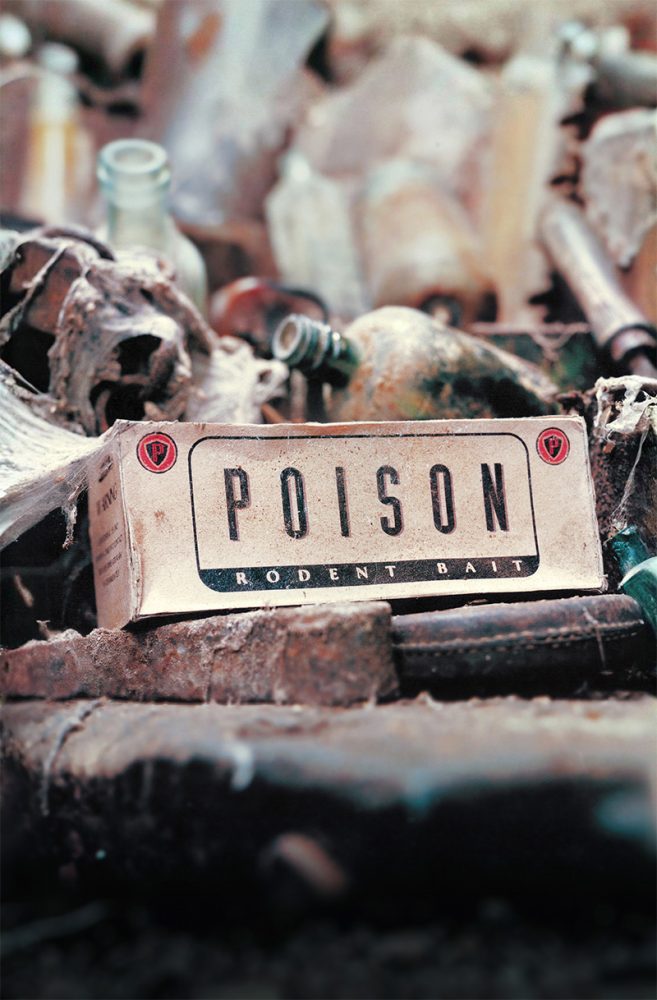
Alison Fielding for All Souvenirs: “I couldn’t find a poison box that looked old enough. They were all a bit modern. So I decided to make one. I tried a few with skulls on and metal looking, but it looked a bit too detailed, and we knew that we wanted the ‘Poison’ to stand out on the sleeve. We eventually decided on the stripped-back design, and it did have some interesting elements on the side and back. I made a little ‘P’ emblem that could have been for Prodigy or ‘Poison’ that appeared on the box”.

Next, they needed to create the atmosphere of an abandoned shed. Initially, fake cobwebs were used for this, but the result looked too unnatural. Then Alison came up with a better idea: her father happened to have an old, junk-filled outbuilding out in the country. That is where the crew headed for the photoshoot — having to drive 120 miles from London, taking along… a rat.
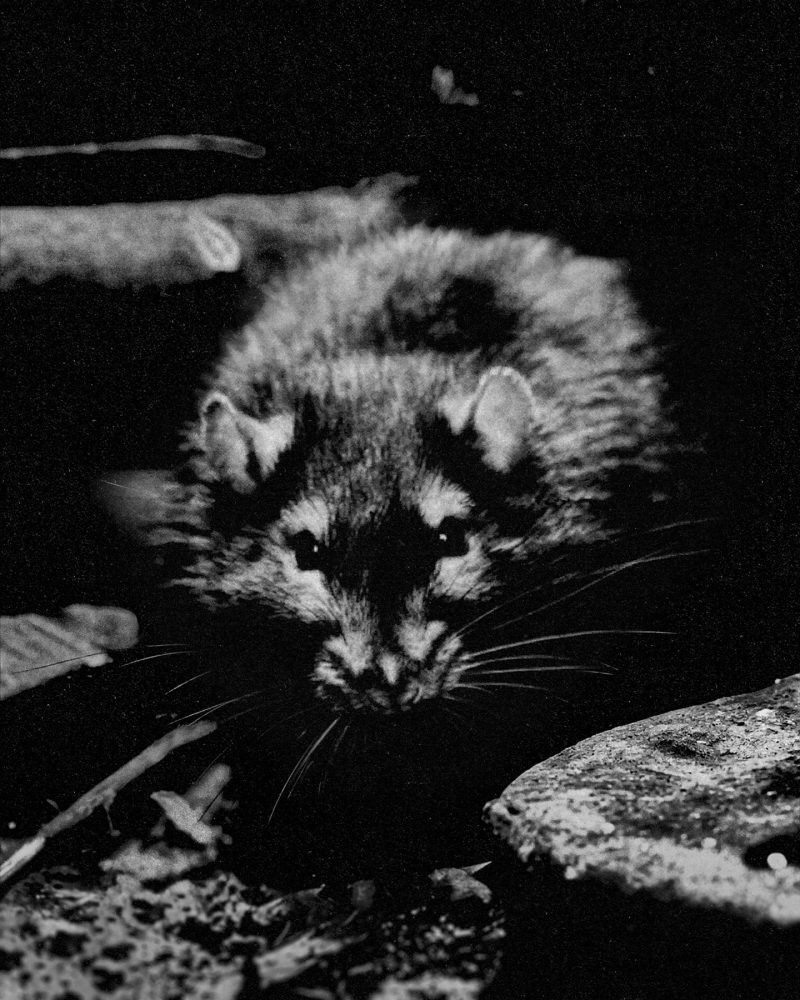
Photography By Jonathan Rose | instagram.com/fotojonny
The rodent was hired from Whipsnade Zoo, and it made the journey to the shoot location in a special container alongside its handler. On location, the crew, along with photographer Jonathan Rose, placed bottles in the corners, scattered dust and cobwebs, and set up that very box with the inscription ‘Poison’ in front of the lens. However, the “live actor” let them down: the shoot took place in winter, the day turned out to be very cold, and the shivering rat huddled in a corner, looking far too cute – more like a hamster than a sinister sewer dweller.
Alison Fielding for All Souvenirs: “It was absolutely freezing that day, and the rat just sat in the corner fluffing itself up and ended up looking far too cute, more like a hamster and not sewer rat looking at all. We ditched the fluffy rat images in the end and ended up using a close-up crop of the box on its own. It was quite an expensive mistake!”.
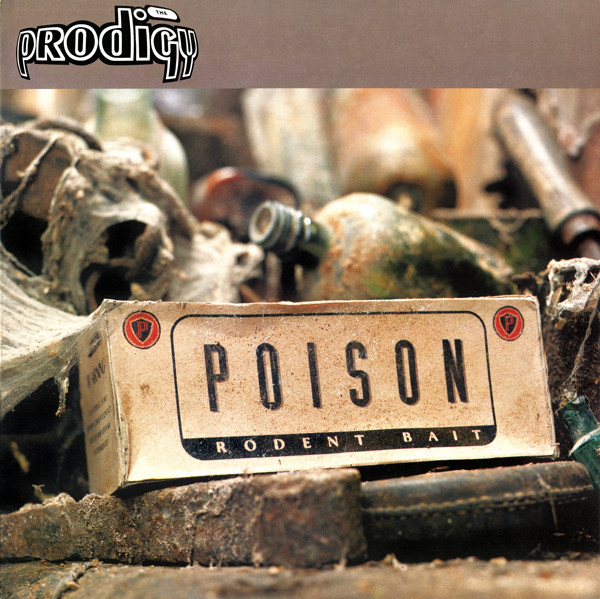
Photography By Jonathan Rose | instagram.com/fotojonny
Instead, for the final cover, they decided to use a close-up of the box itself surrounded by junk, dust and shadows. Nevertheless, the efforts didn’t go to waste: the photograph featuring the cute rat’s face was used in the CD artwork — in both inverted and original forms.


An interesting touch adorned the back cover of the single. While packing up the equipment after the shoot, the crew noticed an old little mouse skeleton lying on the stone floor of the shed. It was carefully photographed and placed on the back of the sleeve, complemented by graphics of chemical formulas and structures of poisonous compounds. This design detail gave the release a complete “toxic” aesthetic.
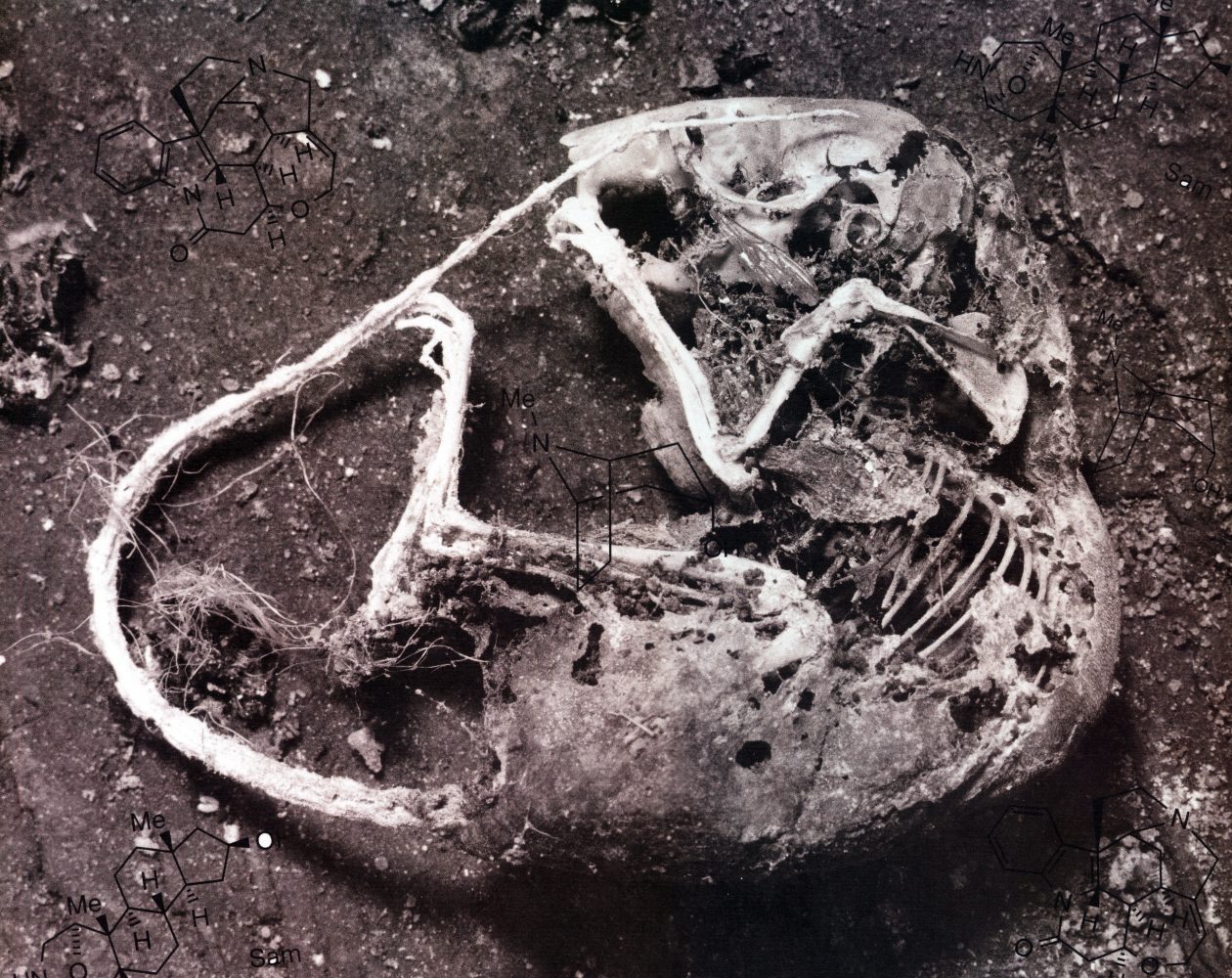
Photography By Jonathan Rose | instagram.com/fotojonny
Shortly before the release of ‘Poison’, but after the artwork was already finished, hints of a new single began to appear in the press — yet the announcement featured no details other than the ‘Poison (Rodent Bait)’ logo, which struck through the band’s name, and the label logo.
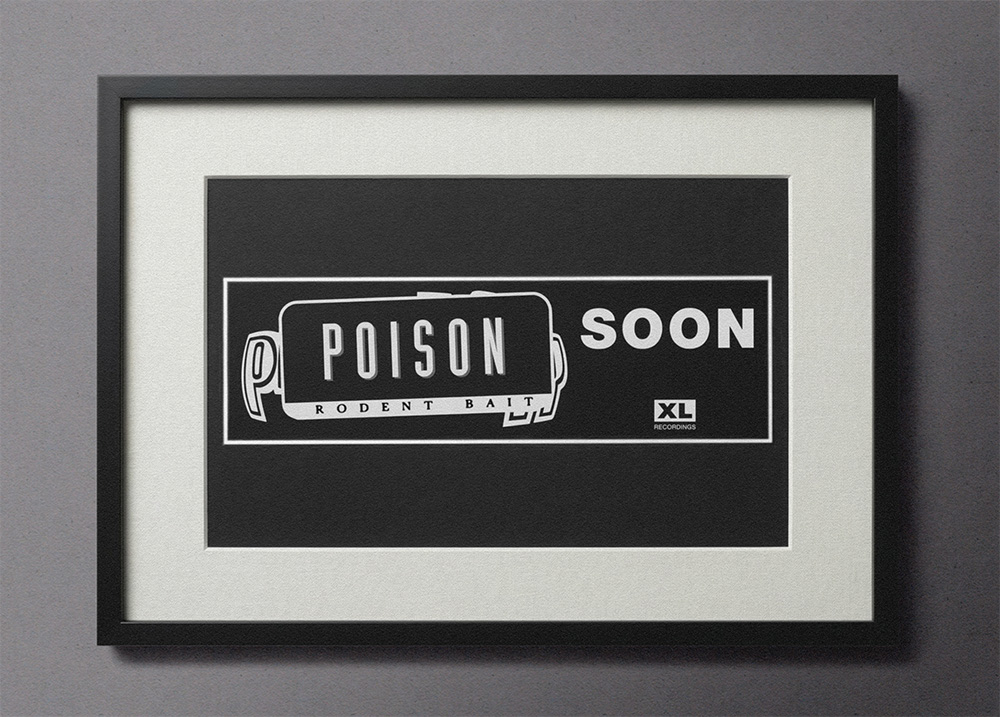
Immediately after the release of the single, the ‘Poison Tour’ was organised in its support, lasting from the 17th to the 25th of March. During it, live videos were shot for the legendary film ‘Electronic Punks’, the creation of which we detailed earlier. During the preparation of the tour, the shot with the little rat also came in handy: it was used on tour posters and tour advertising in the press, successfully integrating the photo into the composition, altering the colours, and not bringing the photo to the foreground.
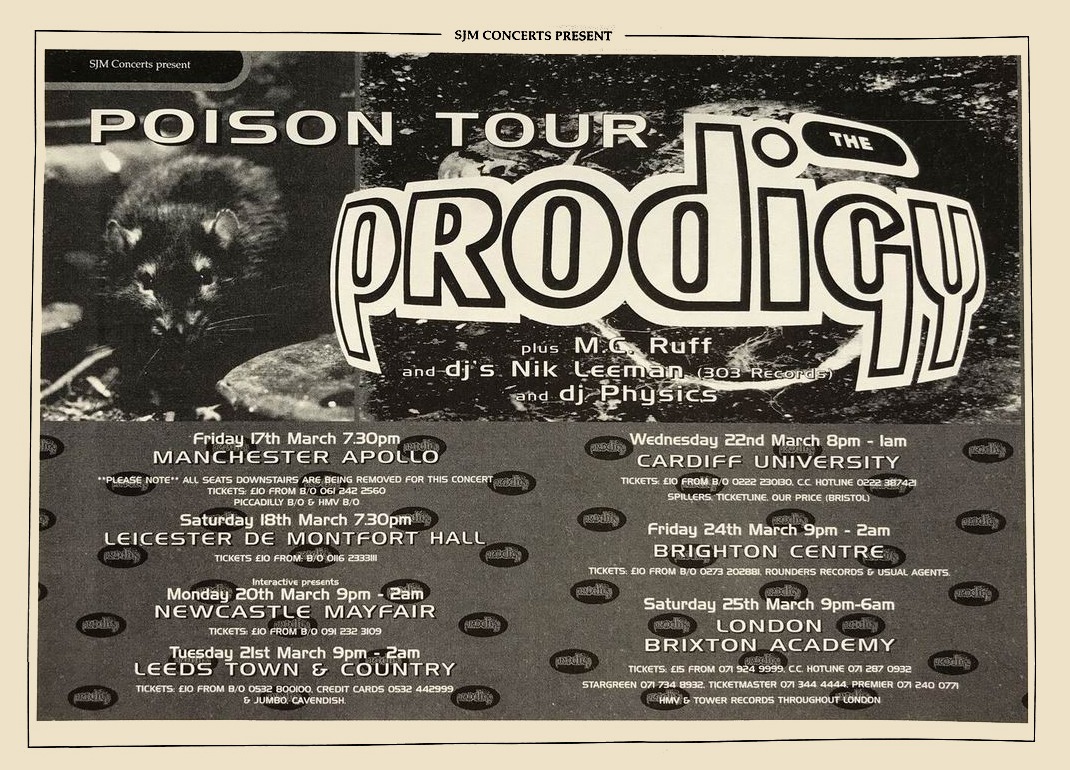
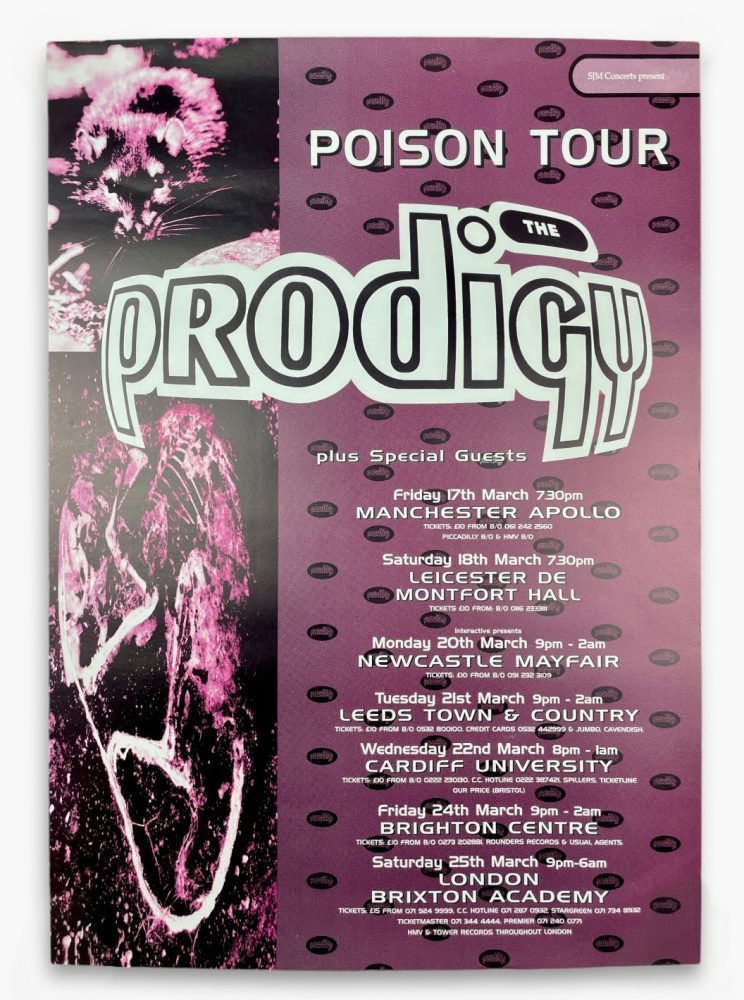
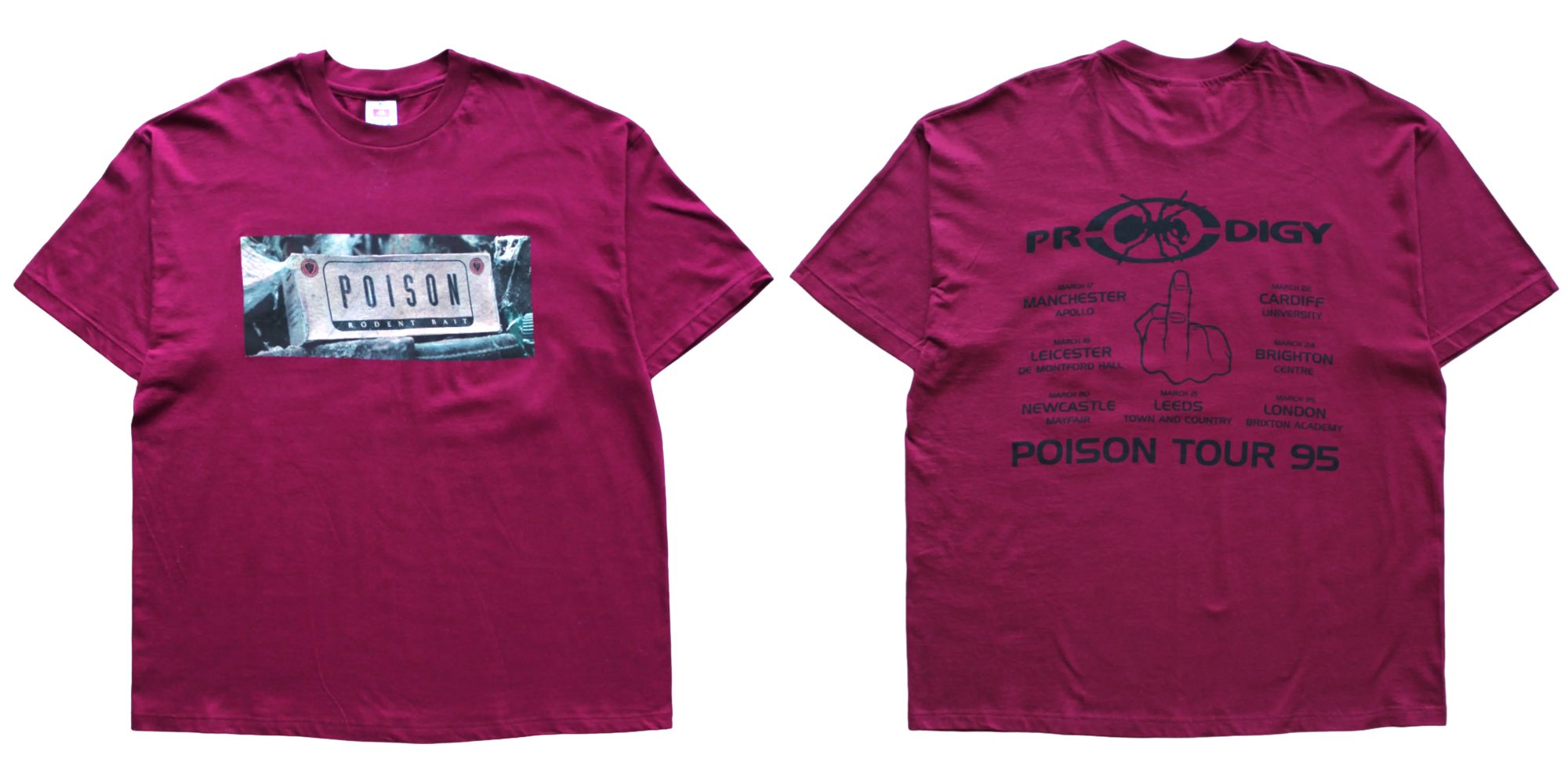
Also, merch was created specifically for the tour, advertising the fresh release and upcoming concert dates. The front of the burgundy T-shirt featured the poison box from the cover, and on the back, against the backdrop of a massive hand showing the middle finger, the tour schedule was placed. A couple of years later, this merchandise became a regular item in the band’s official store, with the tour schedule on the back being replaced by a small band logo. For the 30th anniversary of the single, The Prodigy released a limited edition of T-shirts referencing that burgundy merch! At the time of publishing this article, it can be bought in the band’s official store.
MUSIC VIDEO
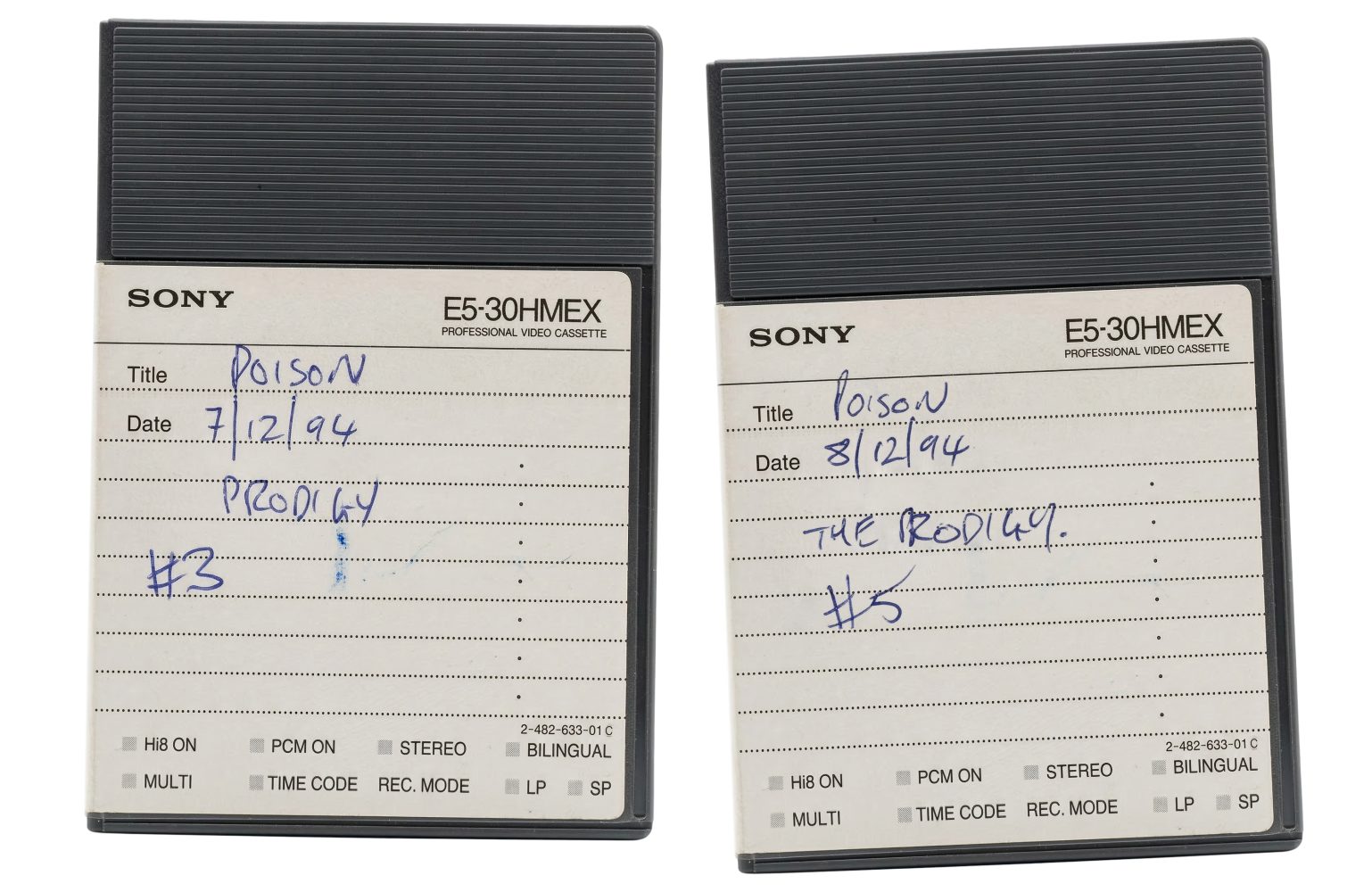
An atmospheric music video was filmed for ‘Poison’, which premiered shortly after the single’s release (in early spring 1995). Filming took place on 7th and 8th December 1994, and the director was once again Walter Stern, who had previously directed The Prodigy’s videos for ‘No Good (Start the Dance)’ and ‘Voodoo People’: this time, he decided to bury Keith in mud. Apparently, Flinty hadn’t suffered enough on previous shoots — first you’re suffocating in a smoke-filled glass cube, then rolling around in a suitcase in the heat of Saint Lucia, fleeing voodoo curses, and now you’re choking on sewage sludge. The lengths one goes to for the sake of art.
On set was cameraman and editor Mark Reynolds, who filmed the process “from the sidelines” on a handheld camera whilst also helping Stern with certain scenes. The result was a sort of behind-the-scenes mini-film about the making of the video – Reynolds agreed to the extra work on the condition that he could edit a behind-the-scenes documentary. Mark’s footage was eventually included in the film ‘Electronic Punks’ – the first official VHS compilation, which Mark himself edited in its entirety and which was released in the summer of 1995.
The full video from the shoot is still circulating online only as a VHS rip, as only a shortened version was released digitally — it can be seen on the DVD ‘Their Law’, released in October 2005.
The main editing of the video itself proved to be extremely labour-intensive. The footage was shot on four different media (various films and video formats) and at different frame rates, which complicated the editing process. The director and editor spent the whole of Christmas and New Year 1994/95 at the editing desk, piecing together the scattered fragments, and finally finished in January.
Mark Reynolds on Vimeo: “When we finally got approval late one night Walter and me went out for a drink which resulted in us going back to the edit suite for an all night session to hand in this current version by 10 am the next morning”.

There are two versions of the video – the original and a censored version, produced with a wider television audience in mind. The censored version was produced without Mark and Walter’s involvement, on the label’s initiative (just as was the case with the various versions of the ‘Voodoo People’ video). In it, some of the violent footage was toned down – scenes of Flint thrashing in convulsions were shortened, and some shots featuring mud were edited differently.
However, as early as 2025, another censored variant of the original version was uploaded to the official channel, differing from the previous two: the moments that had been cut and replaced with other footage in the censored version were, in this case, pixelated. It was produced with Mark’s involvement and was officially released on promotional VHS tapes.
Mark Reynolds for All Souvenirs: “Yeah, we had to remove a few frames so the video could be shown on air before 10 pm, and I suggested we just blur them out.”
In the summer of 1998, a team of enthusiasts from Stone Oakvalley Studios filmed an excellent parody of the original music video. You can read the full story of the shoot on their official website!
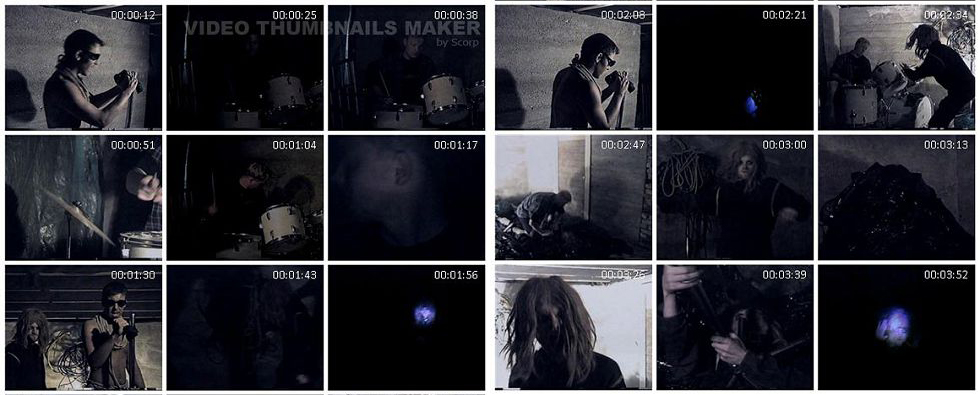
POISON LIVE
As might be expected, following the release of the single ‘Poison’, the performance of the brand-new hit was no longer limited to a two-minute edit — a full-length live performance of the track in two parts was added to the show.
Admittedly, the band didn’t get used to this performance straight away, and at first they often messed up during the performance.
- Poison (Live @ The Apollo, Manchester, UK ’95)
But the fans’ reaction was so strong that the concert version of the track from the Torhout & Werchter festival (5–6 July 1996) was later included on the ‘Breathe’ single — the second release in support of the upcoming album following ‘Jilted Generation’. This only served to emphasise that it was ‘Poison’ that became the link between two eras in the band’s history.
Of the many live performances of ‘Poison’, a couple of amusing incidents spring to mind. For example, at one of the very first concerts of 1995, on 8 March 1995 in France, Maxim was unable to perform due to personal circumstances, and the track was performed with a different mc – MC Ruff, who stood in for Maxim at that gig.
Another amusing incident occurred at the Tribal Gathering festival in the UK, two months after the single’s release. Towards the end of the performance of ‘Poison’, a stoned bloke stormed the stage and knocked over Liam’s set-up. The performance had to be cut short.
That same evening is also remembered by many for Keith Flint dancing on stage during The Chemical Brothers’ performance.
Among the unusual incidents associated with ‘Poison’, the conflict with CJ Bolland also springs to mind. A year and a half after the single’s release, in September 1996, Bolland released the single ‘Sugar Is Sweeter’, in which the rhyme structure of the main hook bore a striking resemblance to Maxim’s lyrics.
This led to a confrontation between the two artists — both in the press and on stage. On 11 October 1996, whilst the band were performing at Brixton Academy, Maxim, introducing ‘Poison’ to the audience, dedicated it to CJ Bolland, repeating several times: “You can’t bite my style”. CJ Bolland, for his part, denied all allegations. At some stage during the proceedings, representatives of The Prodigy even demanded 25% royalties for ‘Sugar Is Sweeter’, but soon withdrew the claim. Eventually, in December 1996, the band’s press officer stated that Liam had no intention of taking any action, as the similarity was difficult to prove.
The band even put together a tongue-in-cheek live setlist as a joke, referencing the situation with CJ Bolland and his new single.
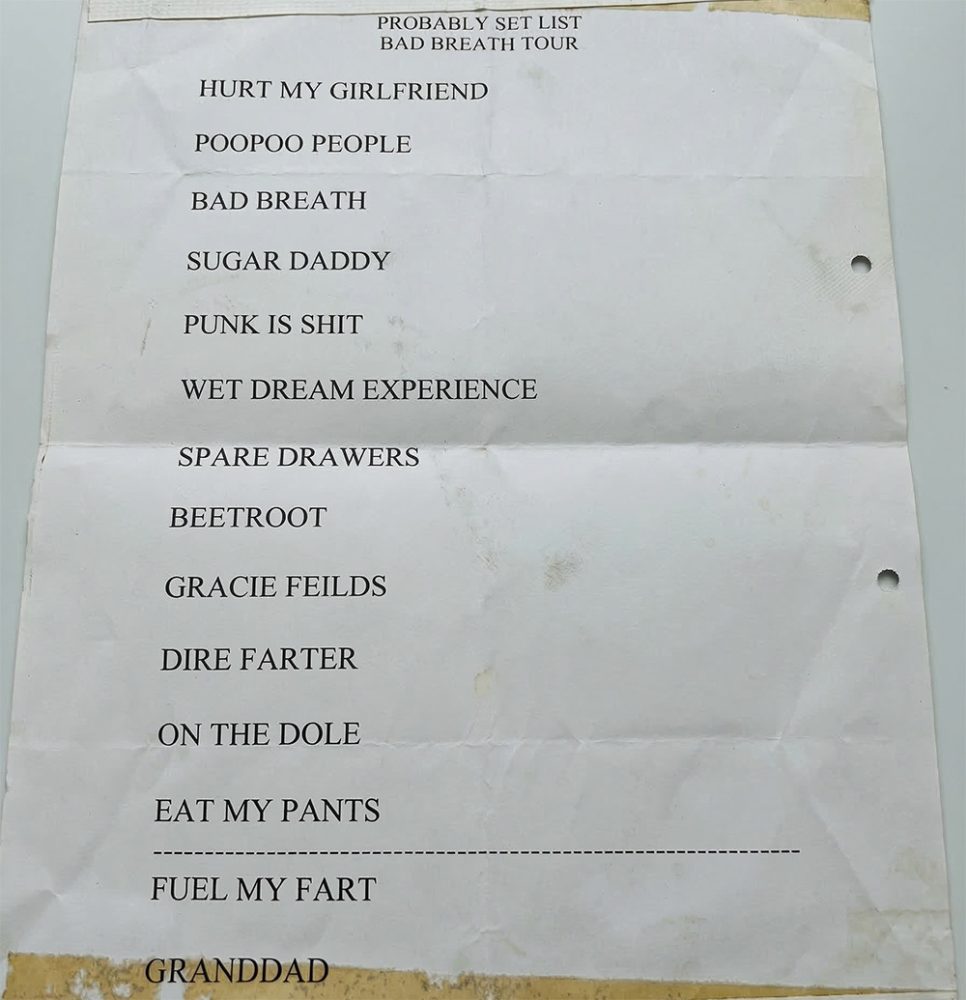
Probably Manchester or Wolverhampton
Most likely John Fairs who wrote the list with Liam
Details and photo courtesy of Ellise Flemming
Towards the end of 1997, Liam decided it was no longer appropriate to play the track entirely live and prepared a special edit for the upcoming 1998 tour. The new edit almost entirely replicated the structure of the live version of ‘Poison’, and it was this version that was played at all The Prodigy gigs from December 1997 right up until 2010.
Incidentally, this same version later served as the basis for a live performance on BBC Radio One’s Zane Lowe ‘Legends Week’, which took place on 14 September 2005.
As well as Liam performing most of the parts live once again, the second half of the track featured a virtuoso performance by flutist Nathan ‘Flutebox’ Lee, who rose to fame in the 2000s for his unique technique of simultaneously beatboxing and playing the flute. Nathan himself has recalled on numerous occasions that he was incredibly flattered by this invitation.
Zane Lowe: “I hear you’ve got a flautist lined up — is that how we’re putting it? The flautist?”
Liam Howlett: “Yeah, we’ve got a little vibe going on with “Poison” that we’ve been working on. I found this guy in a bar two weeks ago — I saw him standing there, DJ playing in the background — and I was like, “Man, you’ve got to play on ‘Poison’ when we do the Radio 1 session.” So we got him in.”
Keith Flint: “He sort of beatboxes and plays the flute at the same time. It’s pretty cool, you know?”
Zane Lowe: “That is awesome — so he’s like part Rahzel, part Ron Burgundy, right?”
Liam Howlett: “Exactly!”
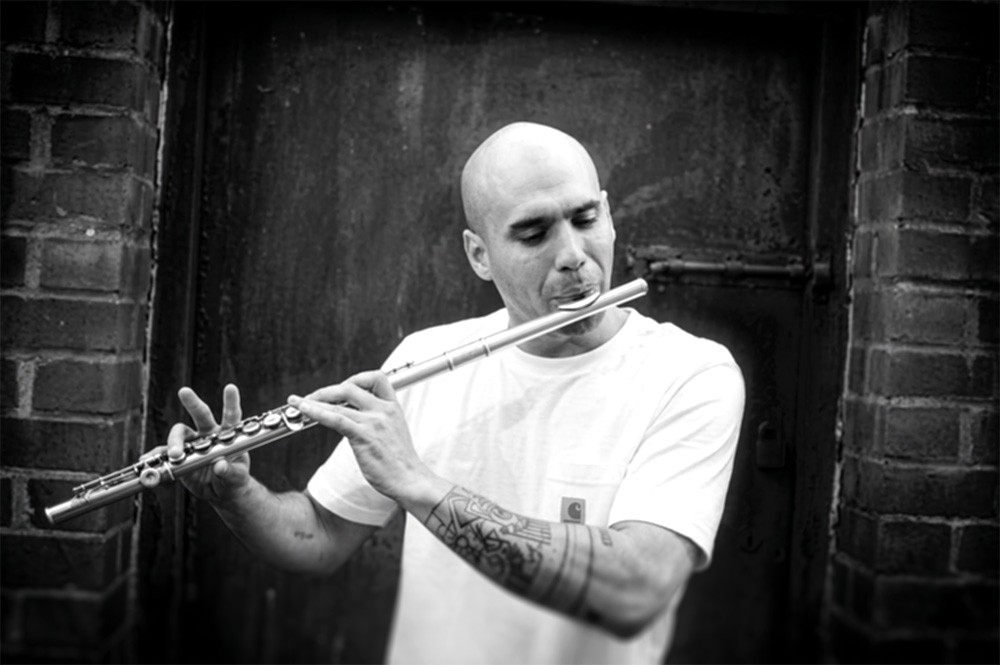
They met at an after-party following a show at Brixton Academy (most likely the concert on 8 August 2005). That evening, Nathan and his friend Tony Phillips were playing music after the gig: Tony was on the turntables, whilst Lee was beatboxing on a flute. During the soundcheck, Liam approached him, having been captivated by what he’d heard. “Yeah, he asked me to do some stuff with him. I was, you know, I was honored. Really honored”, – Lee recalled in an interview with NPR.
All Souvenirs managed to have a chat with Nathan himself, who shared his impressions of working with the band. He explains that the recording at BBC Maida Vale was done in just one day, though he’d had several rehearsals with the band beforehand at a studio in Bermondsey, south-east London.
Nathan Lee to All Souvenirs: “Yes, it was my first big job, and I was intimidated, but they were welcoming and put me at ease. Amazing people, and I felt blessed to be a part of it. It kicked off my career.”
You can also find another unusual rendition of ‘Poison’ from 2005 online: at a concert in Copenhagen, Liam, just as he did in the days of ‘The Fat Of The Land’, plays an impressive melody over the track, which radically changes its mood and atmosphere.
- Poison (Live @ Store Vega, Copenhagen, Denmark ’05)
Inspired by this performance, we decided to recreate the legendary improvisation, using the authentic ’98 live edit as the basis!
POISON CHAPTER #3
Unofficially, there was a third part to ‘Poison’ at live shows. From 2004 onwards, immediately after the main track, The Prodigy regularly performed an additional live jam based on various beats. Originally, this was a medley from the iconic remix of Release Yo’Delf by Method Man — the very one that was released almost simultaneously with the ‘Poison’ single (we discussed this remix in more detail in our special article).
A year later, the remix was replaced by a jam based on a beats from Diesel Power.
In 2009, the third part featured Liam’s remix of the iconic theme from Jaws and some untitled hip-hop beats.
A few years ago, Faust recreated a live version of ‘Jaws’! You can download it from our Bandcamp page – https://allsouvenirs.bandcamp.com/track/jaws
Ultimately, in 2010, the track was rounded off with a heavy beat jam built on samples from System Of A Down songs. It is this version that is still played at gigs today, but now as the official second part of the live ‘Poison’.
OTHER REMIXES
Despite the track’s widespread popularity, the only official remix by third-party artist was released only on the original single. No new remixes were created for compilations or reissues. Nevertheless, you can find a couple of great classic bootleg remixes online: 2006 oldskool drum’n’bass remix by producer Greg Packer and 2010 glitch-hop remix by Ben Samples.
Finally, just recently, the track has been given a new lease of life. In October 2024, Meta unveiled a teaser for the game Batman: Arkham Shadow, featuring a completely reworked version of ‘Poison’ as the soundtrack. According to our sources, this version was created by Liam himself, for which he re-recorded some parts.
It is highly unlikely that the track will ever be officially released, as it was created exclusively for the promotional campaign. Nevertheless, such an unexpected move surely delighted the band’s old-school fans and, quite possibly, helped attract new ones.
Over the past decades, ‘Poison’ has featured at virtually every Prodigy concert, be it festival sets in the 90s, large-scale solo shows in the 2000s or reunion concerts in the 2020s. ‘Poison’ marked a turning point for Maxim within the band. For the first time, his vocals became the central element of a track, and this experience paved the way for future changes. It is highly likely that without ‘Poison’, the success of ‘Breathe’ or ‘Mindfields’ would never have happened.
Headmasters: SIXSHOT, SPLIT
Additional thanks to: Canyon Hill, Alison Fielding, Nathan Lee, Mark Reynolds, Refeedzy Epxerts.
Donate

 Tether (USDT)
Donate Tether(USDT) to this address


YOOMONEY (RUS): 7928З82272З